The definitive guide to gene editing.
Menu
Home Learn News Ask the Atlas
Explore Technologies Diseases Treatments Clinical Trials Companies Scientists Genes Research Institutions
Beyond medicine Agriculture Ethics Investing World map
Learn & Tools Start here Glossary A–Z Compare technologies Timeline Lists & Rankings AI Agents ★ Saved API
About About us Methodology Data Sources Editorial Policy Contact Disclaimers

🧭 Guided View
New to genetics? We explain every term as you browse, in plain English. Same pages, with the help built in.

⚡ Expert View
You already know the biology. Just the content — clean and compact, no extra explanations. This is the default view.

Interface language
Light mode

Advanced · 4 min read

CRISPR diagnostics

Turning CRISPR's habit of chopping up nearby nucleic acid into a fast, cheap test for a specific sequence.

The short answer

When Cas12 or Cas13 finds its target, it does not stop — it starts cutting up loose genetic material nearby. Inside a cell that is a problem. In a test tube it is a gift: add a molecule that glows when cut, and the enzyme announces that it found what you were looking for. That is the basis of tests that can detect a virus in under an hour without laboratory equipment.

SHERLOCK (Cas13) and DETECTR (Cas12a) exploit collateral cleavage of reporter substrates after target recognition, typically preceded by isothermal amplification. These platforms achieve attomolar sensitivity with single-base discrimination and were deployed for SARS-CoV-2 detection, including under emergency use authorisation.
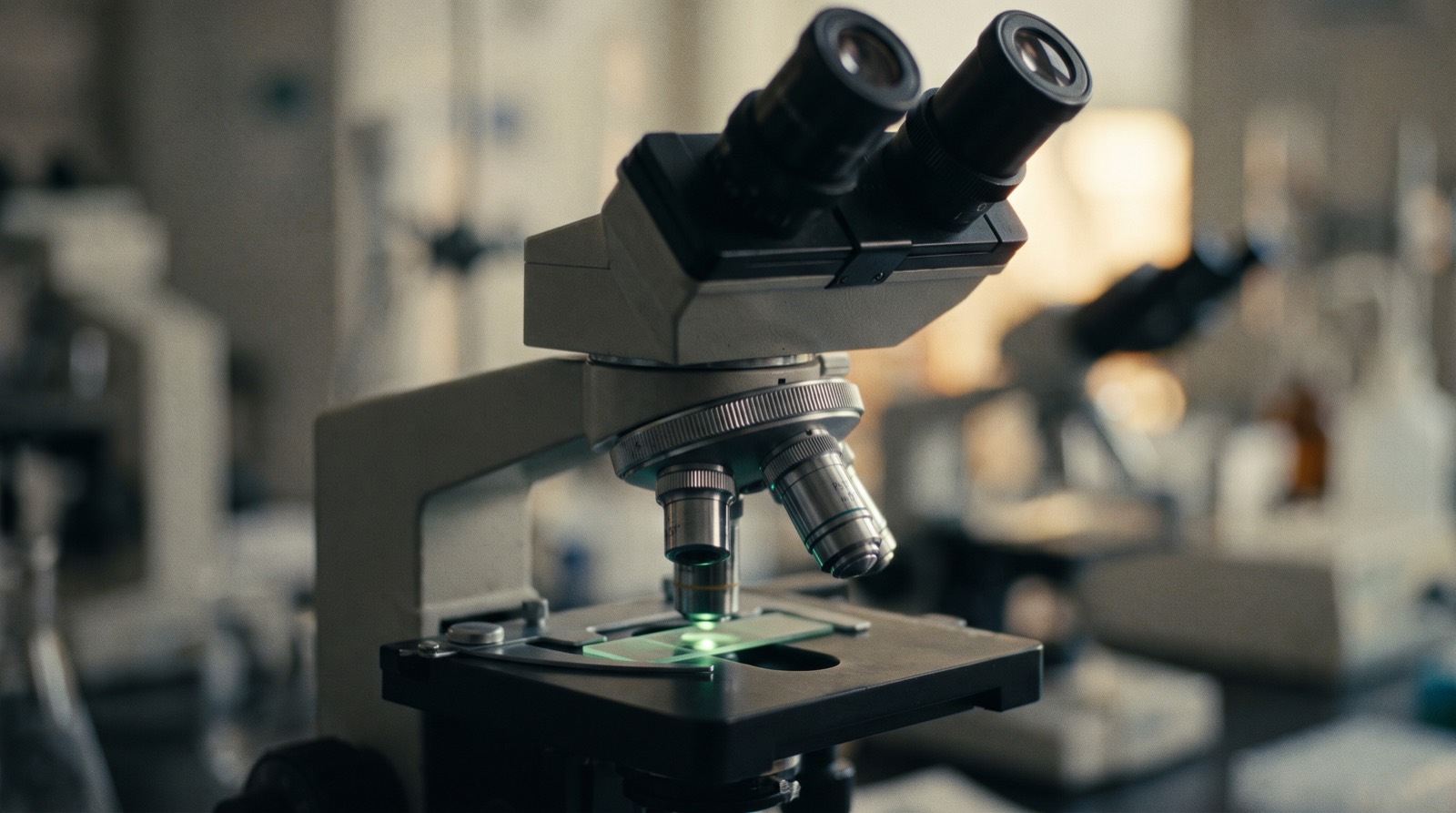
Diagnostic uses read a sequence rather than change it.
Diagnostic uses read a sequence rather than change it. Illustration generated for The CRISPR Atlas.

Sources

Connected in the Atlas

Every entry on this site is linked to the others it relates to. These connections are part of the record, not a search result.

Technologies

CRISPR-Cas13