La guía definitiva sobre edición genética.
Menú
Inicio Aprender Noticias Pregunta al Atlas
Explorar Tecnologías Enfermedades Tratamientos Ensayos clínicos Empresas Científicos Genes Investigación Instituciones
Más allá de la medicina Agricultura Ética Inversión Mapa mundial
Aprender y herramientas Empieza aquí Glosario A–Z Comparar tecnologías Cronología Listas y rankings Agentes de IA ★ Guardado API
Acerca de Quiénes somos Metodología Fuentes de datos Política editorial Contacto Avisos legales

🧭 Vista guiada
¿Eres nuevo en genética? Explicamos cada término mientras navegas, en un lenguaje sencillo. Las mismas páginas, con la ayuda incorporada.

⚡ Opinión experta
Ya conoces la biología. Solo el contenido — limpio y compacto, sin explicaciones adicionales. Esta es la vista predeterminada.

Idioma de la interfaz
Modo claro

Advanced · 4 min de lectura

CRISPR diagnostics

Turning CRISPR's habit of chopping up nearby nucleic acid into a fast, cheap test for a specific sequence.

La respuesta breve

When Cas12 or Cas13 finds its target, it does not stop — it starts cutting up loose genetic material nearby. Inside a cell that is a problem. In a test tube it is a gift: add a molecule that glows when cut, and the enzyme announces that it found what you were looking for. That is the basis of tests that can detect a virus in under an hour without laboratory equipment.

SHERLOCK (Cas13) and DETECTR (Cas12a) exploit collateral cleavage of reporter substrates after target recognition, typically preceded by isothermal amplification. These platforms achieve attomolar sensitivity with single-base discrimination and were deployed for SARS-CoV-2 detection, including under emergency use authorisation.
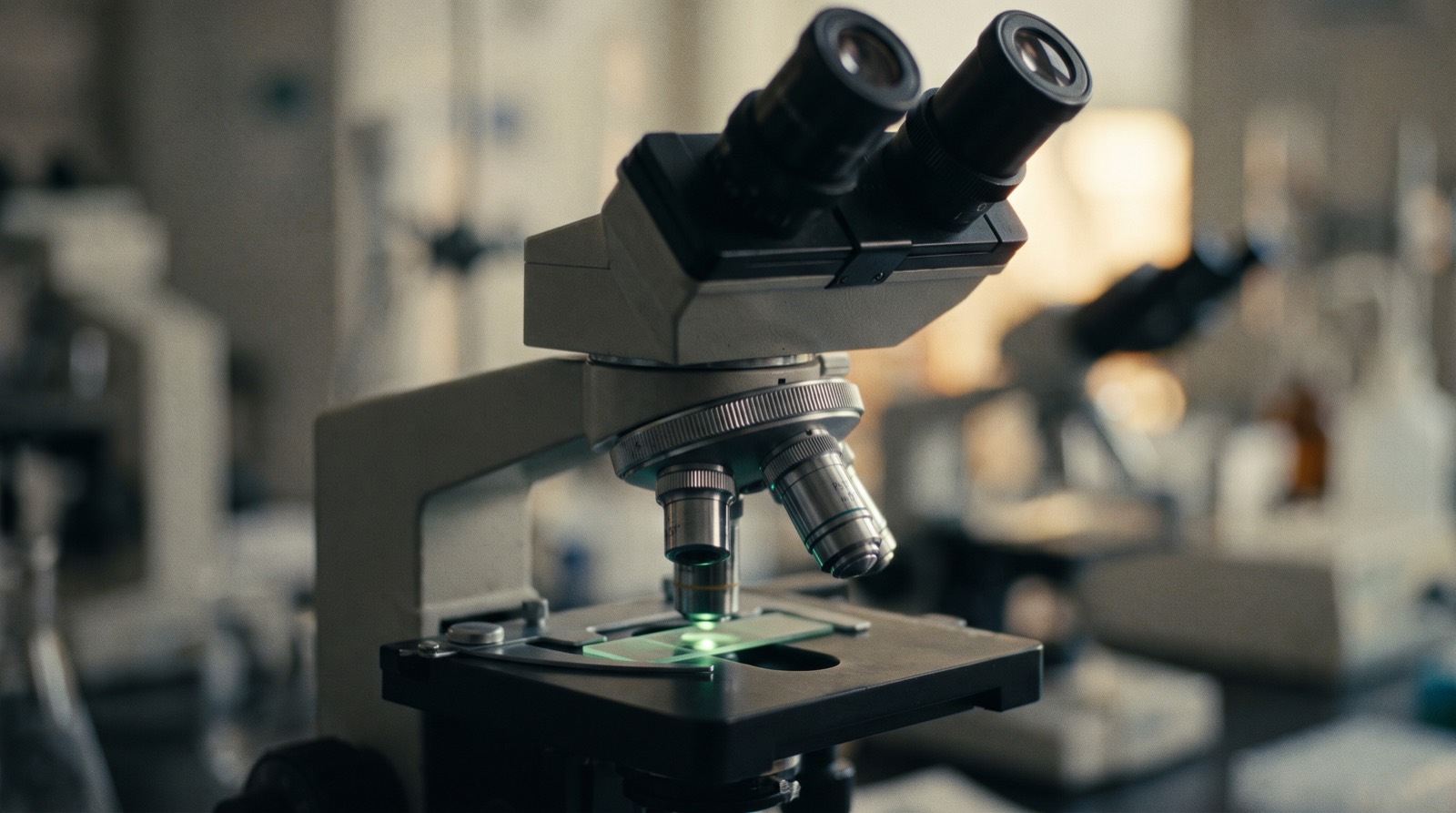
Diagnostic uses read a sequence rather than change it.
Diagnostic uses read a sequence rather than change it. Illustration generated for The CRISPR Atlas.

Sources

Connected in the Atlas

Every entry on this site is linked to the others it relates to. These connections are part of the record, not a search result.

Technologies

CRISPR-Cas13