La guida definitiva all'editing genico.
Menu
Home Scopri Notizie Chiedi all'Atlas
Esplora Tecnologie Malattie Trattamenti Sperimentazioni cliniche Aziende Scienziati Geni Ricerca Istituzioni
Oltre la medicina Agricoltura Etica Investimenti Mappa del mondo
Scopri e strumenti Inizia da qui Glossario A–Z Confronta le tecnologie Cronologia Elenchi e classifiche Agenti IA ★ Salvato API
Informazioni Chi siamo Metodologia Fonti dei dati Politica editoriale Contatti Note legali

🧭 Vista guidata
Sei nuovo alla genetica? Spieghiamo ogni termine mentre navighi, in parole semplici. Le stesse pagine, con il supporto già incluso.

⚡ Parere degli esperti
Conosci già la biologia. Solo i contenuti — chiari e compatti, senza spiegazioni aggiuntive. Questa è la visualizzazione predefinita.

Lingua dell'interfaccia
Modalità chiara

Advanced · 4 min di lettura

CRISPR diagnostics

Turning CRISPR's habit of chopping up nearby nucleic acid into a fast, cheap test for a specific sequence.

La risposta breve

When Cas12 or Cas13 finds its target, it does not stop — it starts cutting up loose genetic material nearby. Inside a cell that is a problem. In a test tube it is a gift: add a molecule that glows when cut, and the enzyme announces that it found what you were looking for. That is the basis of tests that can detect a virus in under an hour without laboratory equipment.

SHERLOCK (Cas13) and DETECTR (Cas12a) exploit collateral cleavage of reporter substrates after target recognition, typically preceded by isothermal amplification. These platforms achieve attomolar sensitivity with single-base discrimination and were deployed for SARS-CoV-2 detection, including under emergency use authorisation.
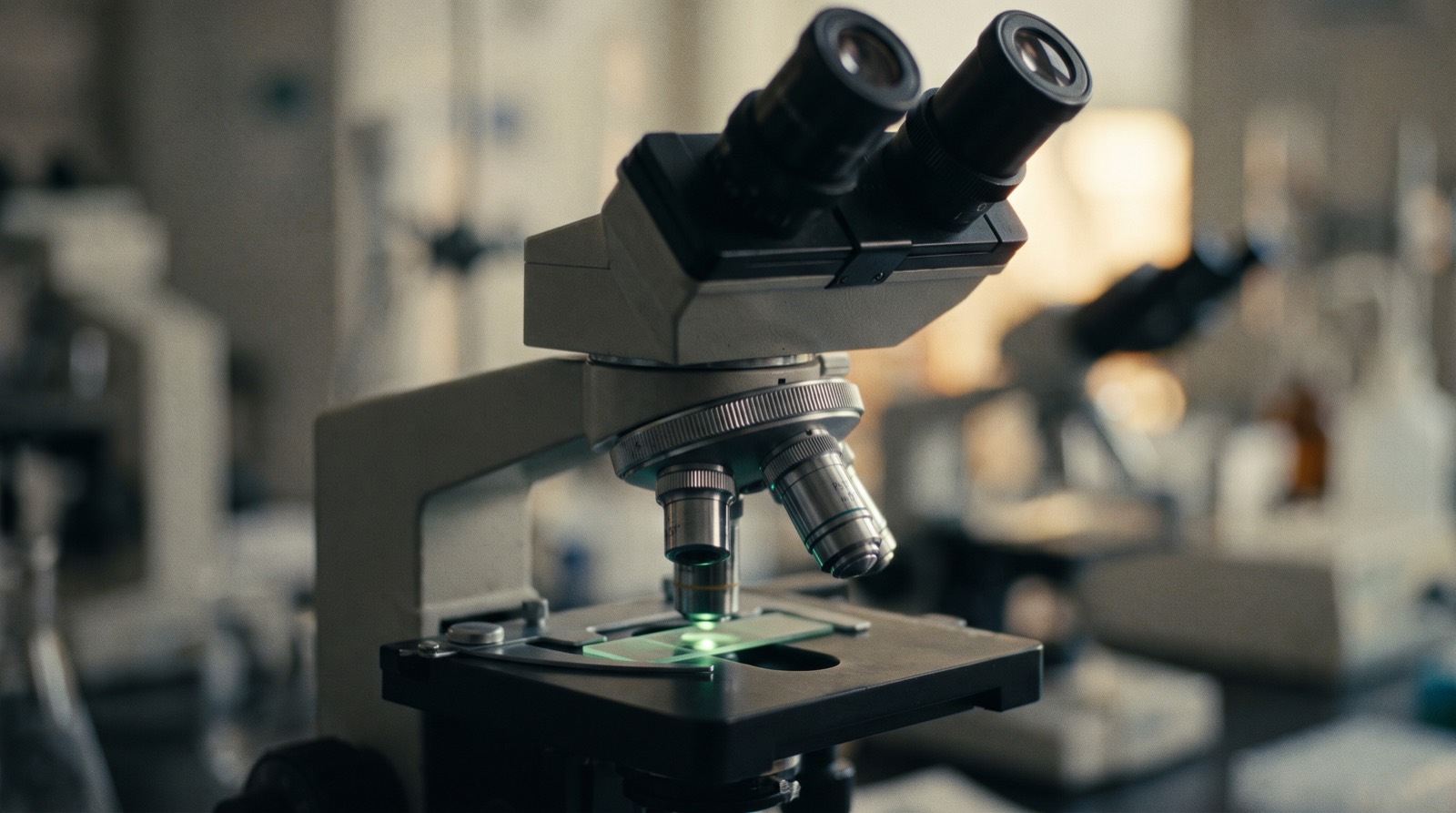
Diagnostic uses read a sequence rather than change it.
Diagnostic uses read a sequence rather than change it. Illustration generated for The CRISPR Atlas.

Sources

Connected in the Atlas

Every entry on this site is linked to the others it relates to. These connections are part of the record, not a search result.

Technologies

CRISPR-Cas13