De definitieve gids voor genbewerking.
Menu
Home Leren Nieuws Vraag de Atlas
Verkennen Technologieën Ziekten Behandelingen Klinische onderzoeken Bedrijven Wetenschappers Genen Onderzoek Instellingen
Verder dan geneeskunde Landbouw Ethiek Investeren Wereldkaart
Leren & Tools Begin hier Woordenlijst A–Z Vergelijk technologieën Tijdlijn Lijsten & Rankings AI-agents ★ Opgeslagen API
Over Over ons Methodologie Databronnen Redactioneel beleid Contact Disclaimers

🧭 Begeleide weergave
Nieuw in de genetica? We leggen elk begrip uit terwijl je bladert, in gewone taal. Dezelfde pagina's, met de hulp ingebouwd.

⚡ Expertvisie
Je kent de biologie al. Alleen de inhoud — helder en compact, zonder extra uitleg. Dit is de standaardweergave.

Interfacetaal
Lichte modus

Advanced · 4 min lezen

CRISPR diagnostics

Turning CRISPR's habit of chopping up nearby nucleic acid into a fast, cheap test for a specific sequence.

Het korte antwoord

When Cas12 or Cas13 finds its target, it does not stop — it starts cutting up loose genetic material nearby. Inside a cell that is a problem. In a test tube it is a gift: add a molecule that glows when cut, and the enzyme announces that it found what you were looking for. That is the basis of tests that can detect a virus in under an hour without laboratory equipment.

SHERLOCK (Cas13) and DETECTR (Cas12a) exploit collateral cleavage of reporter substrates after target recognition, typically preceded by isothermal amplification. These platforms achieve attomolar sensitivity with single-base discrimination and were deployed for SARS-CoV-2 detection, including under emergency use authorisation.
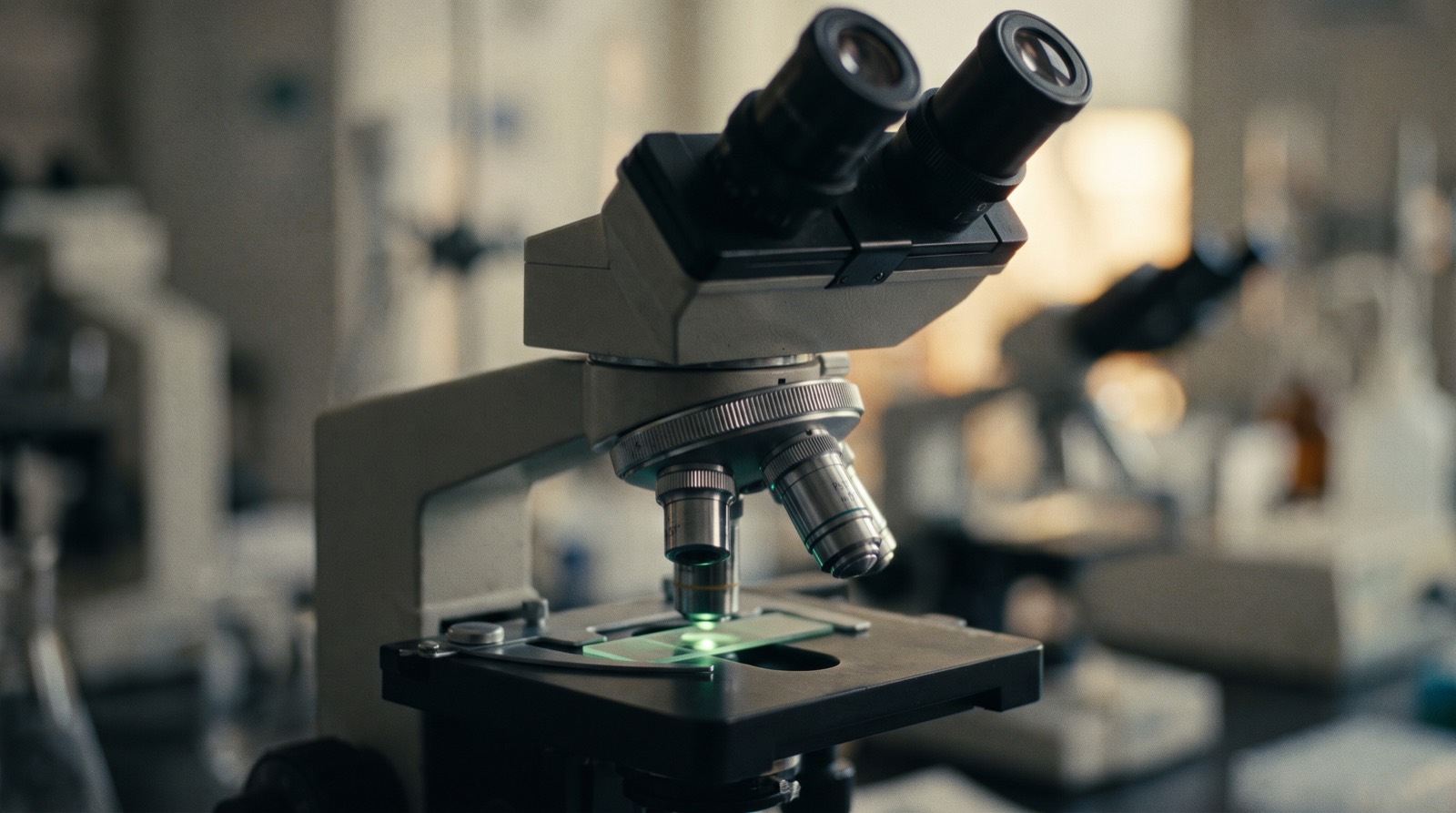
Diagnostic uses read a sequence rather than change it.
Diagnostic uses read a sequence rather than change it. Illustration generated for The CRISPR Atlas.

Sources

Connected in the Atlas

Every entry on this site is linked to the others it relates to. These connections are part of the record, not a search result.

Technologies

CRISPR-Cas13