Исчерпывающий путеводитель по редактированию генов.
Меню
Главная Учиться Новости Спросить Atlas
Изучить Технологии Заболевания Методы лечения Клинические исследования Компании Учёные Гены Исследования Учреждения
За пределами медицины Сельское хозяйство Этика Инвестирование Карта мира
Обучение и инструменты Начните здесь Глоссарий А–Я Сравнить технологии Хронология Списки и рейтинги ИИ-агенты ★ Сохранено API
О нас О нас Методология Источники данных Редакционная политика Контакты Отказ от ответственности

🧭 Режим с подсказками
Впервые в генетике? Мы объясняем каждый термин прямо в процессе просмотра, простым языком. Те же страницы — со встроенной подсказкой.

⚡ Взгляд эксперта
Биология вам уже знакома. Только содержание — чисто и компактно, без лишних пояснений. Это вид по умолчанию.

Язык интерфейса
Светлый режим

Advanced · 4 мин чтения

CRISPR diagnostics

Turning CRISPR's habit of chopping up nearby nucleic acid into a fast, cheap test for a specific sequence.

Краткий ответ

When Cas12 or Cas13 finds its target, it does not stop — it starts cutting up loose genetic material nearby. Inside a cell that is a problem. In a test tube it is a gift: add a molecule that glows when cut, and the enzyme announces that it found what you were looking for. That is the basis of tests that can detect a virus in under an hour without laboratory equipment.

SHERLOCK (Cas13) and DETECTR (Cas12a) exploit collateral cleavage of reporter substrates after target recognition, typically preceded by isothermal amplification. These platforms achieve attomolar sensitivity with single-base discrimination and were deployed for SARS-CoV-2 detection, including under emergency use authorisation.
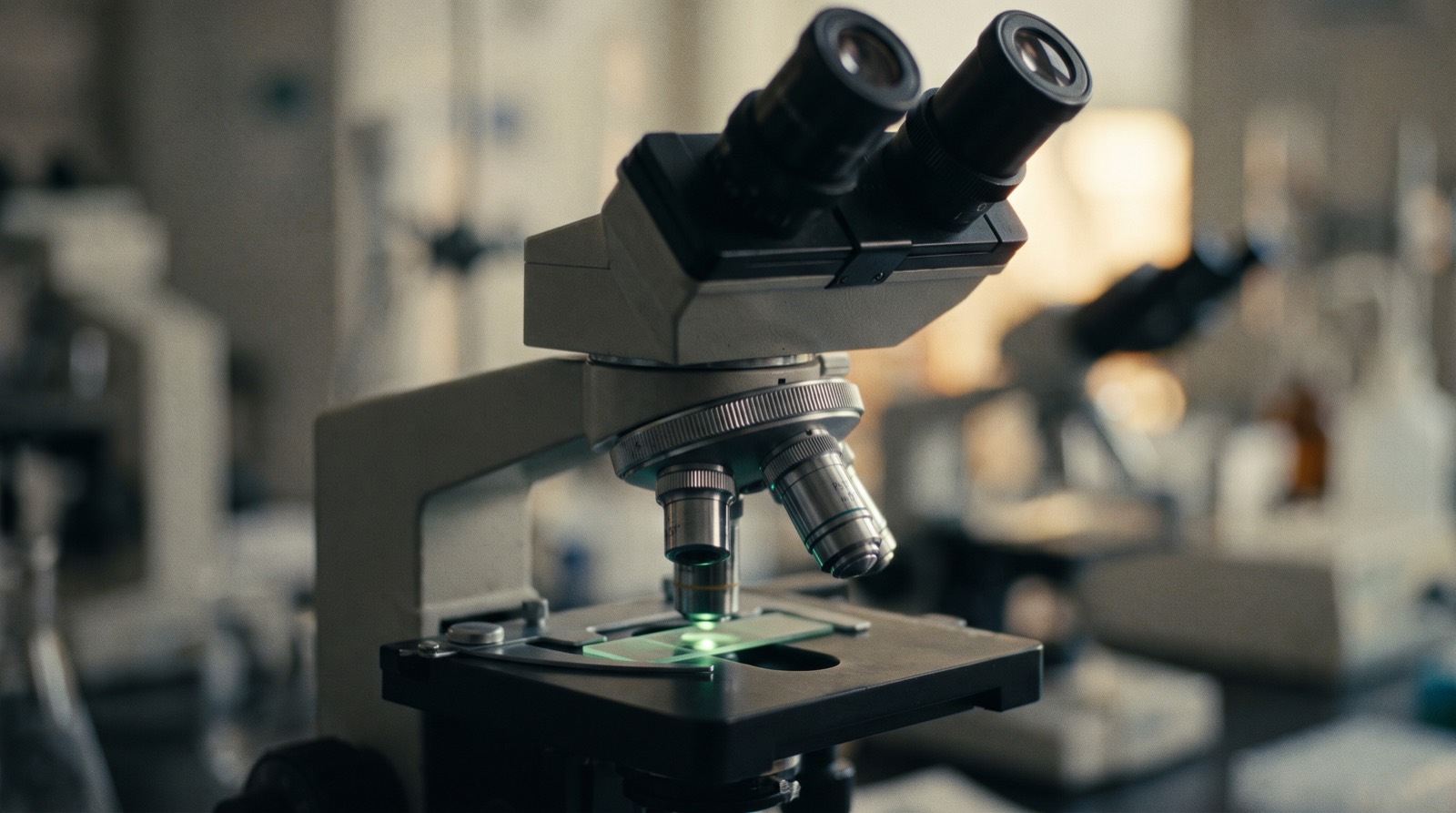
Diagnostic uses read a sequence rather than change it.
Diagnostic uses read a sequence rather than change it. Illustration generated for The CRISPR Atlas.

Sources

Connected in the Atlas

Every entry on this site is linked to the others it relates to. These connections are part of the record, not a search result.

Technologies

CRISPR-Cas13