Hướng dẫn toàn diện về chỉnh sửa gene.
Menu
Trang chủ Tìm hiểu Tin tức Hỏi Atlas
Khám phá Các công nghệ Các bệnh Các phương pháp điều trị Thử nghiệm lâm sàng Các công ty Các nhà khoa học Các gene Nghiên cứu Tổ chức / Cơ sở
Ngoài y học Nông nghiệp Đạo đức Đầu tư Bản đồ thế giới
Tìm hiểu & Công cụ Bắt đầu tại đây Bảng thuật ngữ A–Z So sánh các công nghệ Dòng thời gian Danh sách & Xếp hạng AI Agents ★ Đã lưu API
Giới thiệu Về chúng tôi Phương pháp Nguồn dữ liệu Chính sách biên tập Liên hệ Tuyên bố miễn trừ trách nhiệm

🧭 Chế độ xem có hướng dẫn
Mới làm quen với di truyền học? Chúng tôi giải thích mọi thuật ngữ ngay khi bạn duyệt, bằng ngôn ngữ dễ hiểu. Cùng nội dung đó, nhưng có phần hỗ trợ tích hợp sẵn.

⚡ Góc nhìn chuyên gia
Bạn đã hiểu về sinh học rồi. Chỉ cần nội dung — gọn gàng và súc tích, không có giải thích thêm. Đây là chế độ xem mặc định.

Ngôn ngữ giao diện
Chế độ sáng

Intermediate · 4 phút đọc

Lipid nanoparticles

Tiny fat bubbles that carry genetic cargo into cells — the delivery technology that made in vivo CRISPR possible.

Câu trả lời ngắn gọn

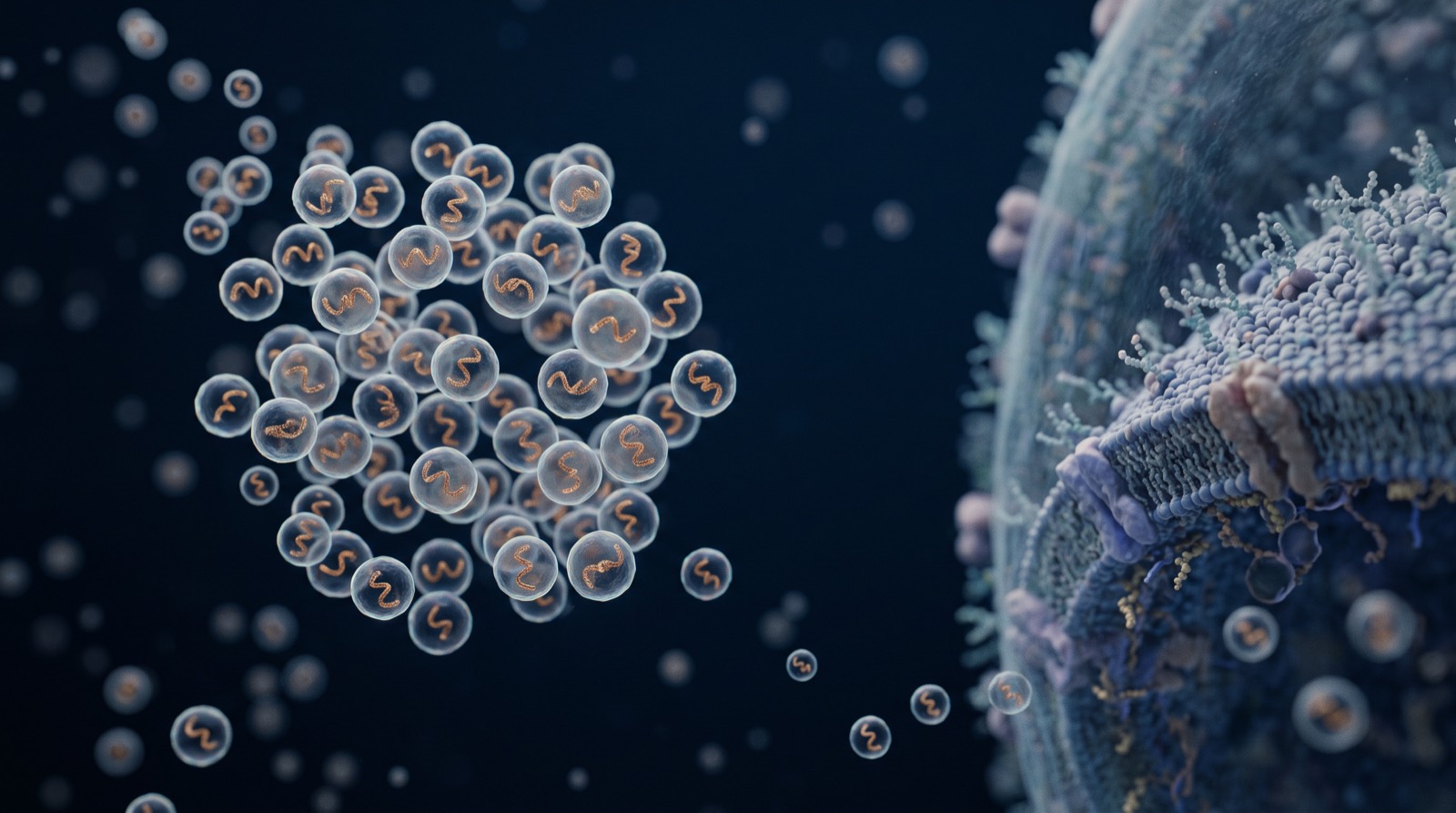
A lipid nanoparticle is a microscopic bubble of fat with the genetic cargo tucked inside. Injected into the blood, it naturally ends up in the liver, where cells absorb it and release the contents. It is the same delivery technology used in mRNA COVID-19 vaccines, and it is what made editing a gene inside a living person practical.

Lipid nanoparticles comprise an ionisable lipid, a helper phospholipid, cholesterol and a PEG-lipid. After intravenous administration they acquire an ApoE corona and are taken up by hepatocytes via the LDL receptor, then escape the endosome as the ionisable lipid protonates. Cargo — typically Cas9 mRNA plus guide RNA — is expressed transiently, which limits editor exposure and off-target opportunity. Redosing is possible, unlike with AAV.

Getting the editor into a cell — the hard part AAV virus a hollowed-out virus · small cargo limit · long-lasting · immunity can block re-dosing Lipid nanoparticle a fat bubble · no size limit in practice · clears in days · naturally goes to the liver Electroporation an electric pulse · lab use, cells outside body · very efficient · only works ex vivo
Delivery, not the editing chemistry, is what decides which organs are reachable today. This is why liver diseases moved first.

Advantages that matter clinically

Where the analogy breaks downThe great limitation is tropism. Left to themselves, lipid nanoparticles go to the liver. Redirecting them to other tissues is one of the most actively pursued problems in the field, and solving it would unlock more diseases than any advance in editing chemistry.

Sources

Connected in the Atlas

Every entry on this site is linked to the others it relates to. These connections are part of the record, not a search result.

Technologies

Base Editing