The definitive guide to gene editing.
Menu
Home Learn News Ask the Atlas
Explore Technologies Diseases Treatments Clinical Trials Companies Scientists Genes Research Institutions
Beyond medicine Agriculture Ethics Investing World map
Learn & Tools Start here Glossary A–Z Compare technologies Timeline Lists & Rankings AI Agents ★ Saved API
About About us Methodology Data Sources Editorial Policy Contact Disclaimers

🧭 Guided View
New to genetics? We explain every term as you browse, in plain English. Same pages, with the help built in.

⚡ Expert View
You already know the biology. Just the content — clean and compact, no extra explanations. This is the default view.

Interface language
Light mode

Technology · Large-cargo editing

Transposases

Enzymes that cut a segment of DNA out of one place and paste it into another — nature's own copy-and-paste.

Phase I/II DNAlarge insertions
Clinical research Being tested in people in registered clinical trials. Being in trials is not evidence that a treatment works or is safe.

Simple explanation

Transposons are stretches of DNA that move themselves around the genome; roughly half of human DNA descends from them. Their moving machinery has been domesticated: load a therapeutic gene into a transposon and the transposase will paste the whole cassette into a cell's DNA. The catch is aim — left to themselves, they land in many places, and where they land matters.

Go deeper

DNA transposases such as Sleeping Beauty and piggyBac excise a cargo flanked by inverted terminal repeats and integrate it into the genome, carrying multi-kilobase payloads without viral vectors. Integration is semi-random with sequence preferences, raising insertional-mutagenesis concerns. CRISPR-associated transposases (CASTs), found in Vibrio and Scytonema species, couple transposition to RNA-guided targeting and are an active engineering effort aimed at giving transposases an address.

Where they are used

Non-viral CAR-T manufacturing is the most established clinical application: Sleeping Beauty and piggyBac provide a cheaper alternative to viral vectors for inserting a chimeric antigen receptor. Insertional mutagenesis remains the safety question the field takes most seriously, and long-term follow-up of transposon-engineered cell products is an active area of surveillance.
Where they are used
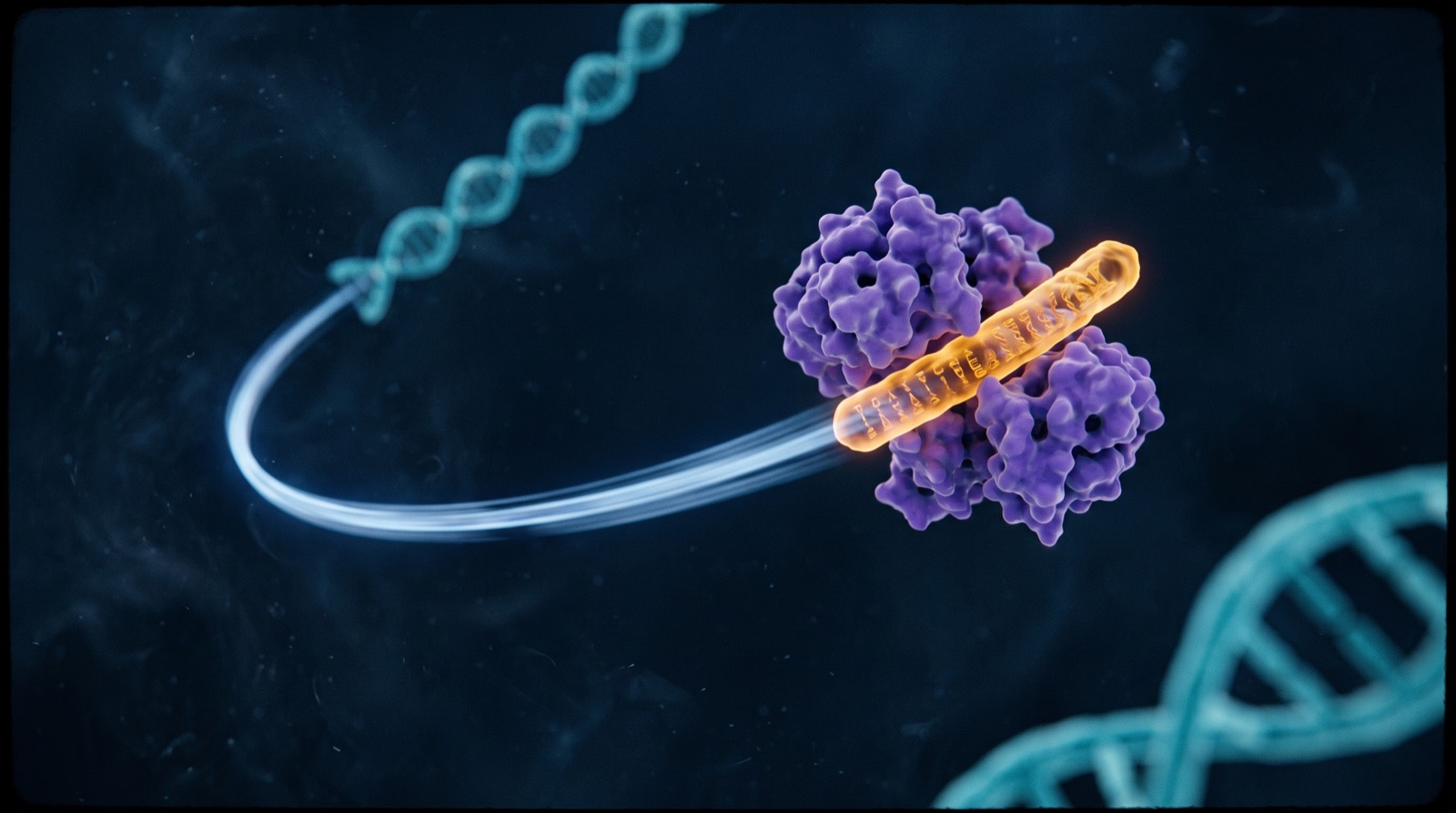
A cassette of sequence being lifted from one strand and set into another. Illustration generated for The CRISPR Atlas — a visual aid, not a photograph or a literal depiction of molecular structure.

Sources

Connected in the Atlas

Every entry on this site is linked to the others it relates to. These connections are part of the record, not a search result.

Educational information only This page is a reference, not medical advice. Research and regulatory status change; check the last-updated date above and confirm anything important against the primary sources listed.