Panduan definitif tentang penyuntingan gen.
Menu
Beranda Pelajari Berita Tanya Atlas
Jelajahi Teknologi Penyakit Perawatan Uji Klinis Perusahaan Ilmuwan Gen-gen Penelitian Institusi
Di luar dunia medis Pertanian Etika Investasi Peta dunia
Pelajari & Alat Mulai di sini Glosarium A–Z Bandingkan teknologi Linimasa Daftar & Peringkat Agen AI ★ Tersimpan API
Tentang Tentang kami Metodologi Sumber Data Kebijakan Editorial Kontak Penafian

🧭 Tampilan Terpandu
Baru mengenal genetika? Kami menjelaskan setiap istilah saat kamu menjelajah, dalam bahasa yang mudah dipahami. Halaman yang sama, dengan bantuan yang sudah tersedia.

⚡ Pandangan Ahli
Kamu sudah mengenal biologinya. Cukup kontennya — ringkas dan padat, tanpa penjelasan tambahan. Ini adalah tampilan default.

Bahasa antarmuka
Mode terang

Technology · Large-cargo editing

Transposases

Enzymes that cut a segment of DNA out of one place and paste it into another — nature's own copy-and-paste.

Phase I/II DNAlarge insertions
Clinical research Being tested in people in registered clinical trials. Being in trials is not evidence that a treatment works or is safe.

Penjelasan sederhana

Transposons are stretches of DNA that move themselves around the genome; roughly half of human DNA descends from them. Their moving machinery has been domesticated: load a therapeutic gene into a transposon and the transposase will paste the whole cassette into a cell's DNA. The catch is aim — left to themselves, they land in many places, and where they land matters.

Pelajari lebih dalam

DNA transposases such as Sleeping Beauty and piggyBac excise a cargo flanked by inverted terminal repeats and integrate it into the genome, carrying multi-kilobase payloads without viral vectors. Integration is semi-random with sequence preferences, raising insertional-mutagenesis concerns. CRISPR-associated transposases (CASTs), found in Vibrio and Scytonema species, couple transposition to RNA-guided targeting and are an active engineering effort aimed at giving transposases an address.

Where they are used

Non-viral CAR-T manufacturing is the most established clinical application: Sleeping Beauty and piggyBac provide a cheaper alternative to viral vectors for inserting a chimeric antigen receptor. Insertional mutagenesis remains the safety question the field takes most seriously, and long-term follow-up of transposon-engineered cell products is an active area of surveillance.
Where they are used
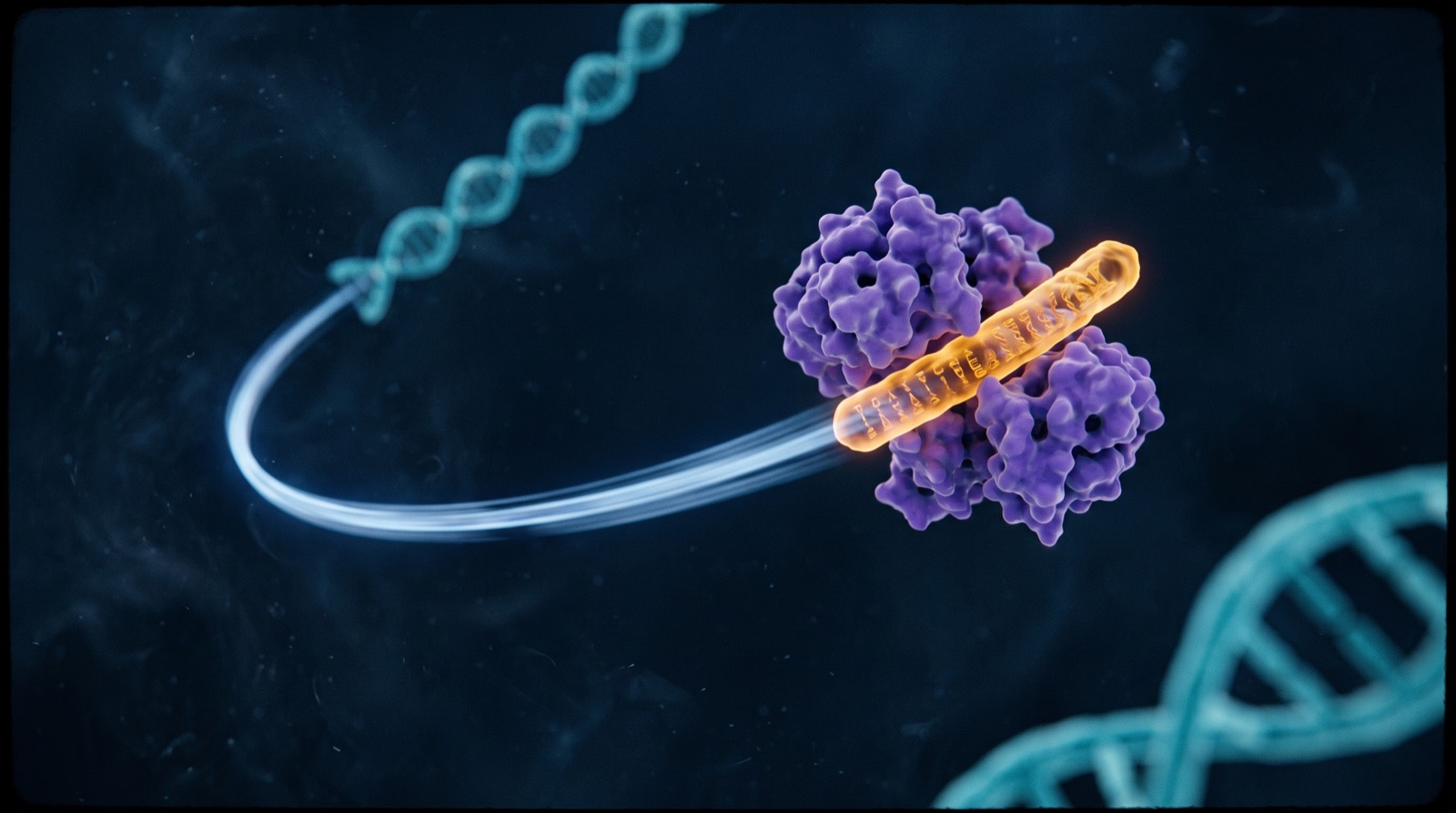
A cassette of sequence being lifted from one strand and set into another. Illustration generated for The CRISPR Atlas — a visual aid, not a photograph or a literal depiction of molecular structure.

Sources

Connected in the Atlas

Every entry on this site is linked to the others it relates to. These connections are part of the record, not a search result.

Hanya informasi edukatif Halaman ini adalah referensi, bukan nasihat medis. Status riset dan regulasi dapat berubah; periksa tanggal pembaruan terakhir di atas dan konfirmasi hal-hal penting dengan sumber primer yang tercantum.