La guida definitiva all'editing genico.
Menu
Home Scopri Notizie Chiedi all'Atlas
Esplora Tecnologie Malattie Trattamenti Sperimentazioni cliniche Aziende Scienziati Geni Ricerca Istituzioni
Oltre la medicina Agricoltura Etica Investimenti Mappa del mondo
Scopri e strumenti Inizia da qui Glossario A–Z Confronta le tecnologie Cronologia Elenchi e classifiche Agenti IA ★ Salvato API
Informazioni Chi siamo Metodologia Fonti dei dati Politica editoriale Contatti Note legali

🧭 Vista guidata
Sei nuovo alla genetica? Spieghiamo ogni termine mentre navighi, in parole semplici. Le stesse pagine, con il supporto già incluso.

⚡ Parere degli esperti
Conosci già la biologia. Solo i contenuti — chiari e compatti, senza spiegazioni aggiuntive. Questa è la visualizzazione predefinita.

Lingua dell'interfaccia
Modalità chiara

Technology · Large-cargo editing

Transposases

Enzymes that cut a segment of DNA out of one place and paste it into another — nature's own copy-and-paste.

Phase I/II DNAlarge insertions
Clinical research Being tested in people in registered clinical trials. Being in trials is not evidence that a treatment works or is safe.

Spiegazione semplice

Transposons are stretches of DNA that move themselves around the genome; roughly half of human DNA descends from them. Their moving machinery has been domesticated: load a therapeutic gene into a transposon and the transposase will paste the whole cassette into a cell's DNA. The catch is aim — left to themselves, they land in many places, and where they land matters.

Approfondisci

DNA transposases such as Sleeping Beauty and piggyBac excise a cargo flanked by inverted terminal repeats and integrate it into the genome, carrying multi-kilobase payloads without viral vectors. Integration is semi-random with sequence preferences, raising insertional-mutagenesis concerns. CRISPR-associated transposases (CASTs), found in Vibrio and Scytonema species, couple transposition to RNA-guided targeting and are an active engineering effort aimed at giving transposases an address.

Where they are used

Non-viral CAR-T manufacturing is the most established clinical application: Sleeping Beauty and piggyBac provide a cheaper alternative to viral vectors for inserting a chimeric antigen receptor. Insertional mutagenesis remains the safety question the field takes most seriously, and long-term follow-up of transposon-engineered cell products is an active area of surveillance.
Where they are used
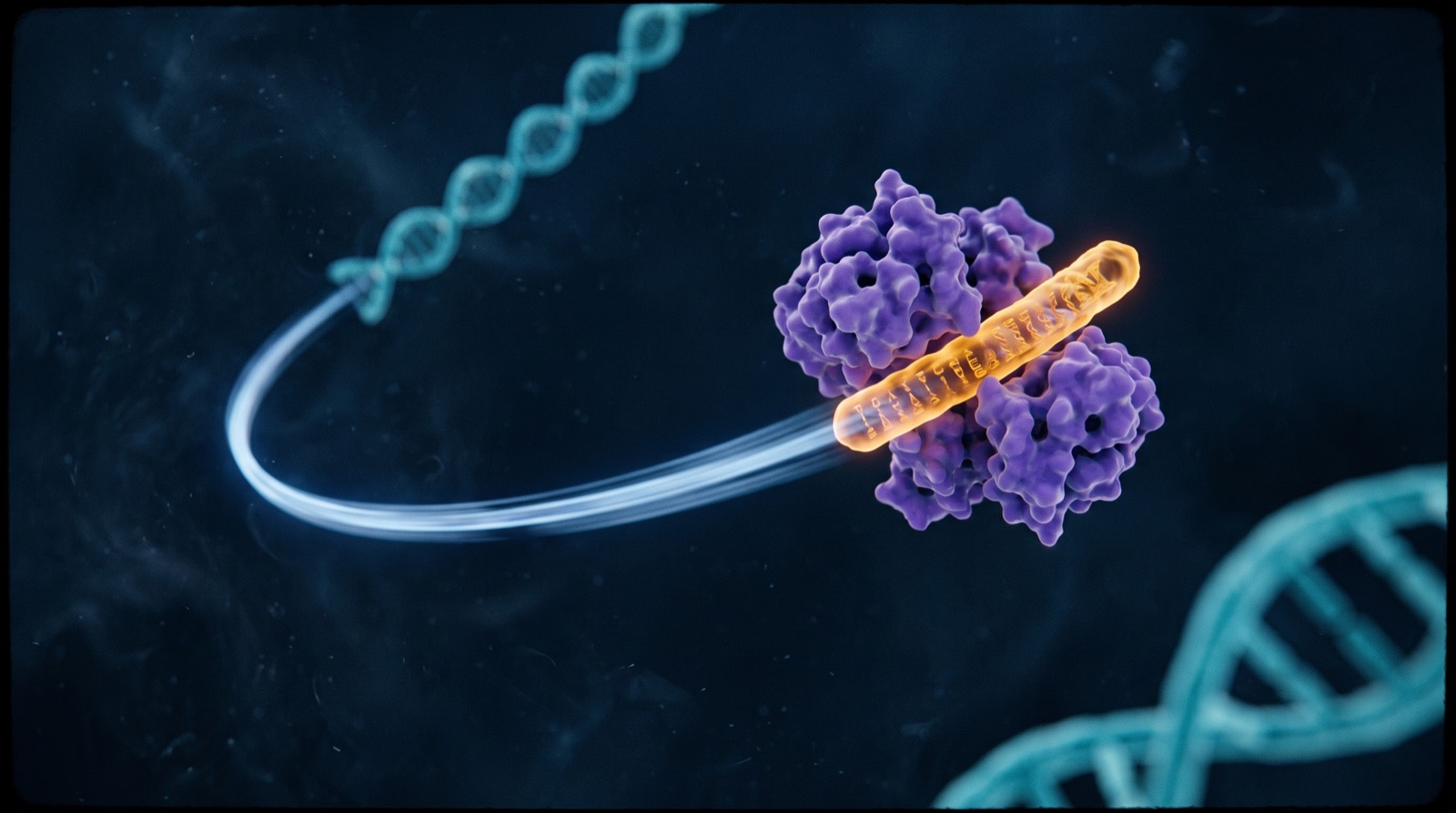
A cassette of sequence being lifted from one strand and set into another. Illustration generated for The CRISPR Atlas — a visual aid, not a photograph or a literal depiction of molecular structure.

Sources

Connected in the Atlas

Every entry on this site is linked to the others it relates to. These connections are part of the record, not a search result.

Solo informazioni educative Questa pagina è una risorsa di riferimento, non una consulenza medica. Lo stato della ricerca e delle autorizzazioni regolatorie cambia; controlla la data dell'ultimo aggiornamento in alto e verifica le informazioni importanti nelle fonti primarie elencate.