De definitieve gids voor genbewerking.
Menu
Home Leren Nieuws Vraag de Atlas
Verkennen Technologieën Ziekten Behandelingen Klinische onderzoeken Bedrijven Wetenschappers Genen Onderzoek Instellingen
Verder dan geneeskunde Landbouw Ethiek Investeren Wereldkaart
Leren & Tools Begin hier Woordenlijst A–Z Vergelijk technologieën Tijdlijn Lijsten & Rankings AI-agents ★ Opgeslagen API
Over Over ons Methodologie Databronnen Redactioneel beleid Contact Disclaimers

🧭 Begeleide weergave
Nieuw in de genetica? We leggen elk begrip uit terwijl je bladert, in gewone taal. Dezelfde pagina's, met de hulp ingebouwd.

⚡ Expertvisie
Je kent de biologie al. Alleen de inhoud — helder en compact, zonder extra uitleg. Dit is de standaardweergave.

Interfacetaal
Lichte modus

Technology · Large-cargo editing

Transposases

Enzymes that cut a segment of DNA out of one place and paste it into another — nature's own copy-and-paste.

Phase I/II DNAlarge insertions
Clinical research Being tested in people in registered clinical trials. Being in trials is not evidence that a treatment works or is safe.

Eenvoudige uitleg

Transposons are stretches of DNA that move themselves around the genome; roughly half of human DNA descends from them. Their moving machinery has been domesticated: load a therapeutic gene into a transposon and the transposase will paste the whole cassette into a cell's DNA. The catch is aim — left to themselves, they land in many places, and where they land matters.

Dieper ingaan

DNA transposases such as Sleeping Beauty and piggyBac excise a cargo flanked by inverted terminal repeats and integrate it into the genome, carrying multi-kilobase payloads without viral vectors. Integration is semi-random with sequence preferences, raising insertional-mutagenesis concerns. CRISPR-associated transposases (CASTs), found in Vibrio and Scytonema species, couple transposition to RNA-guided targeting and are an active engineering effort aimed at giving transposases an address.

Where they are used

Non-viral CAR-T manufacturing is the most established clinical application: Sleeping Beauty and piggyBac provide a cheaper alternative to viral vectors for inserting a chimeric antigen receptor. Insertional mutagenesis remains the safety question the field takes most seriously, and long-term follow-up of transposon-engineered cell products is an active area of surveillance.
Where they are used
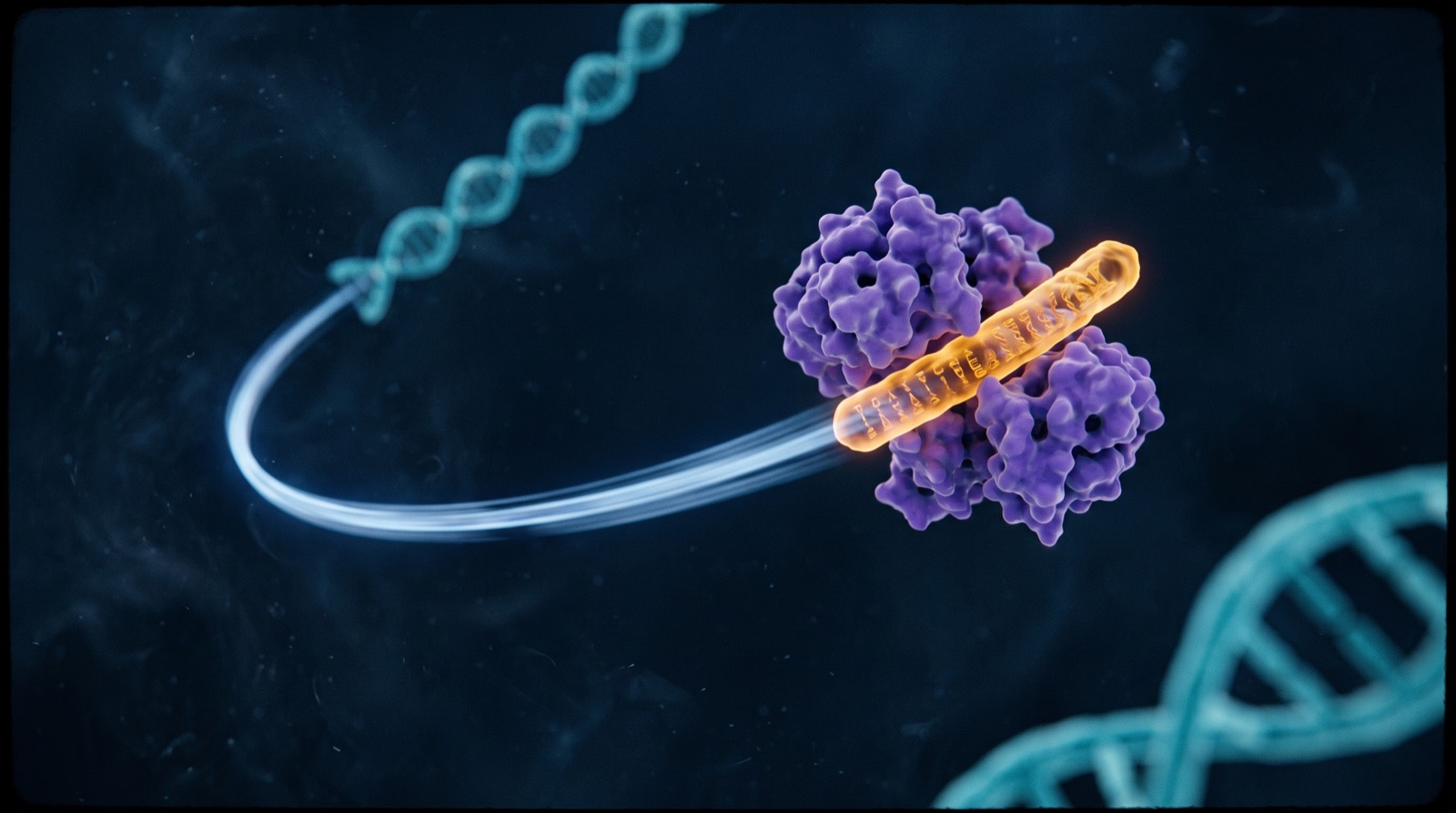
A cassette of sequence being lifted from one strand and set into another. Illustration generated for The CRISPR Atlas — a visual aid, not a photograph or a literal depiction of molecular structure.

Sources

Connected in the Atlas

Every entry on this site is linked to the others it relates to. These connections are part of the record, not a search result.

Alleen educatieve informatie Deze pagina is een naslagbron, geen medisch advies. Onderzoeks- en regelgevingsstatus veranderen; controleer de datum van de laatste update hierboven en verifieer belangrijke informatie bij de vermelde primaire bronnen.