La carte de la révolution de l'édition génomique
Le CRISPR Atlas
Explorez les technologies, traitements, maladies, scientifiques, entreprises, essais cliniques et découvertes qui façonnent l'avenir de la médecine génétique.
Explorer l'édition génomique
Sept façons dont les scientifiques modifient le matériel génétique. Chaque page commence par une explication en langage clair, puis va aussi loin que vous le souhaitez.
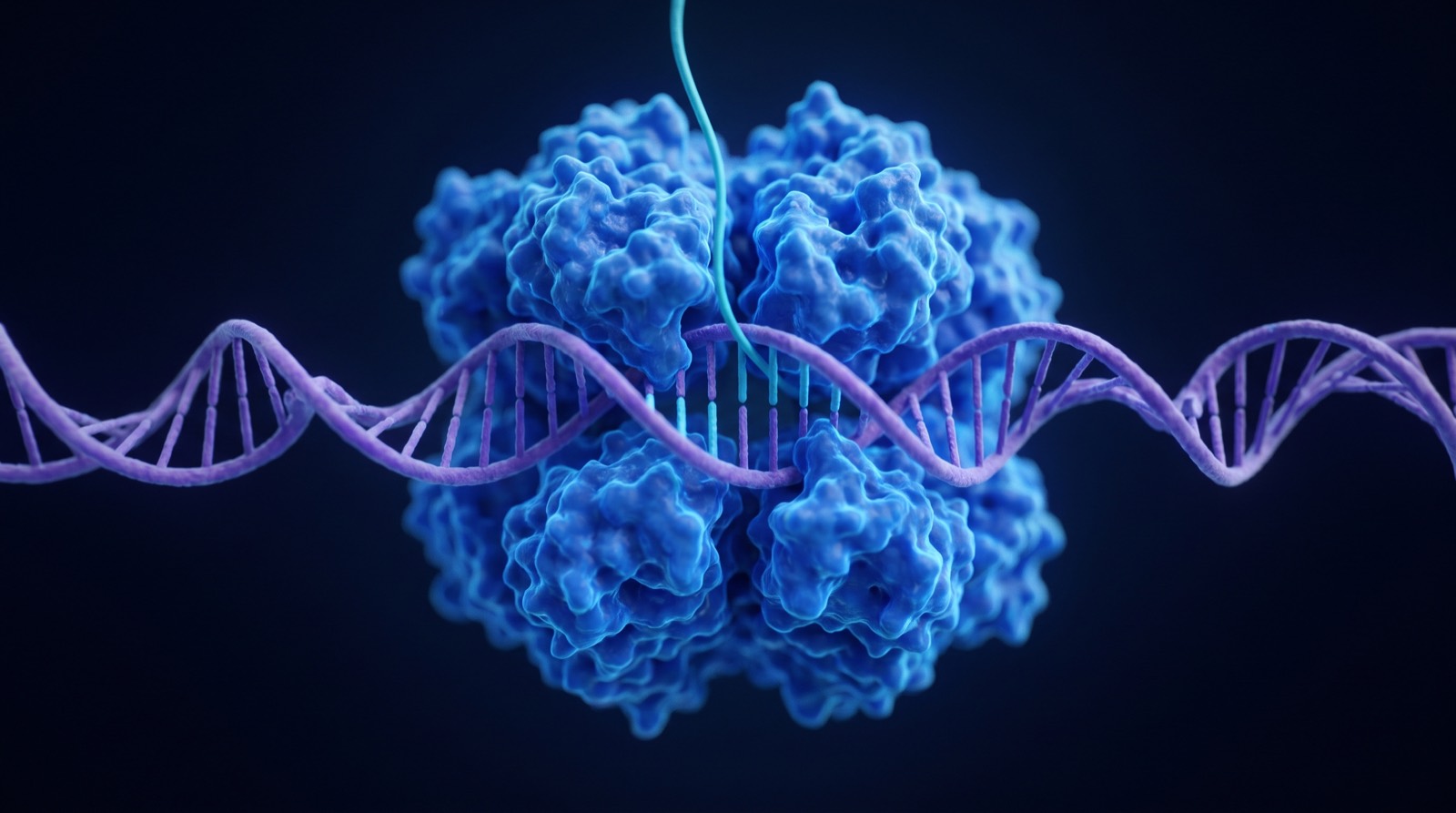 CRISPR-Cas9A protein that can be programmed with a short RNA guide to find one specific sequence in a genome and cut it.
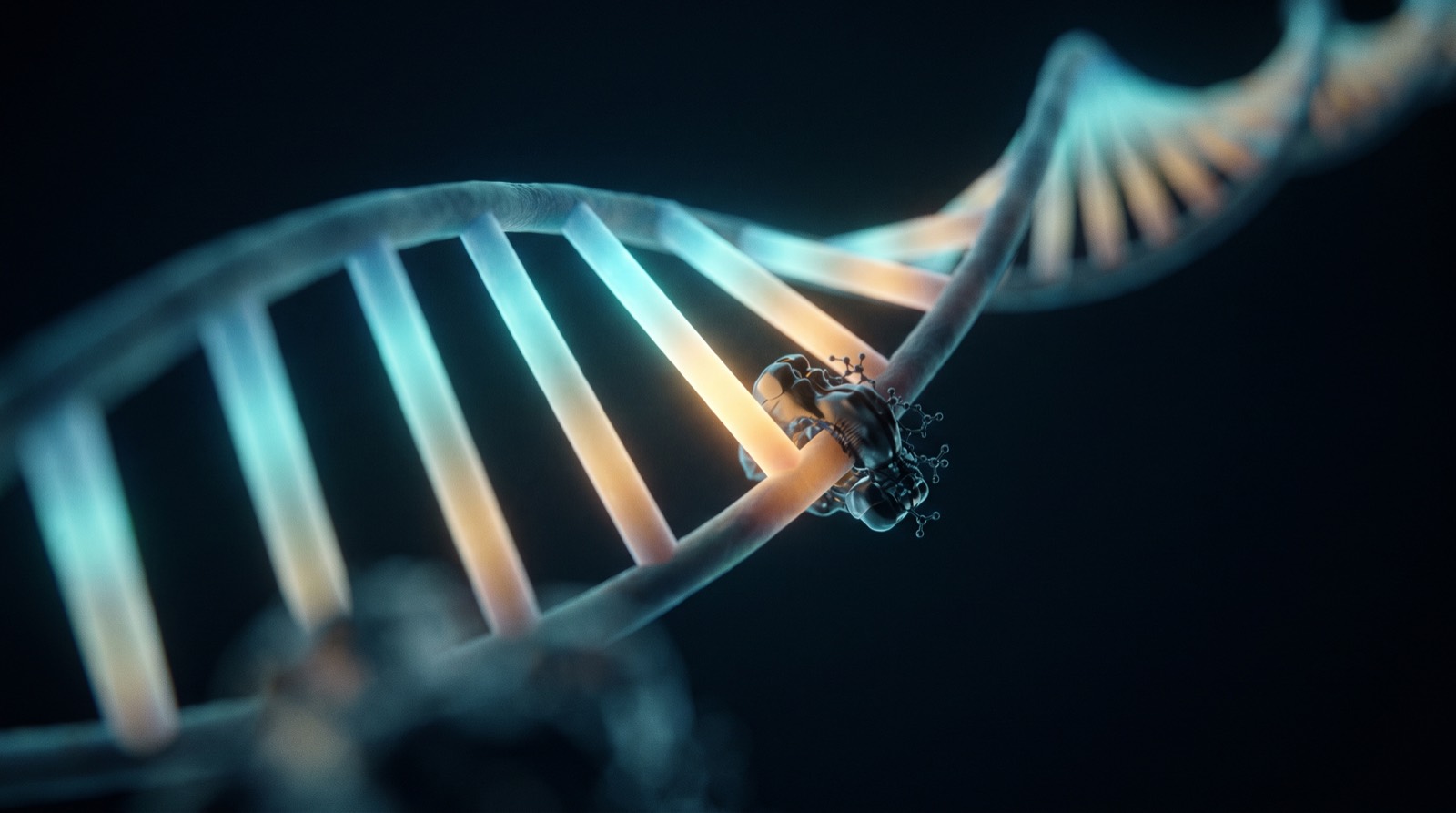 Base EditingChemically converts one DNA letter into another at a chosen position, without cutting both strands of the double helix.
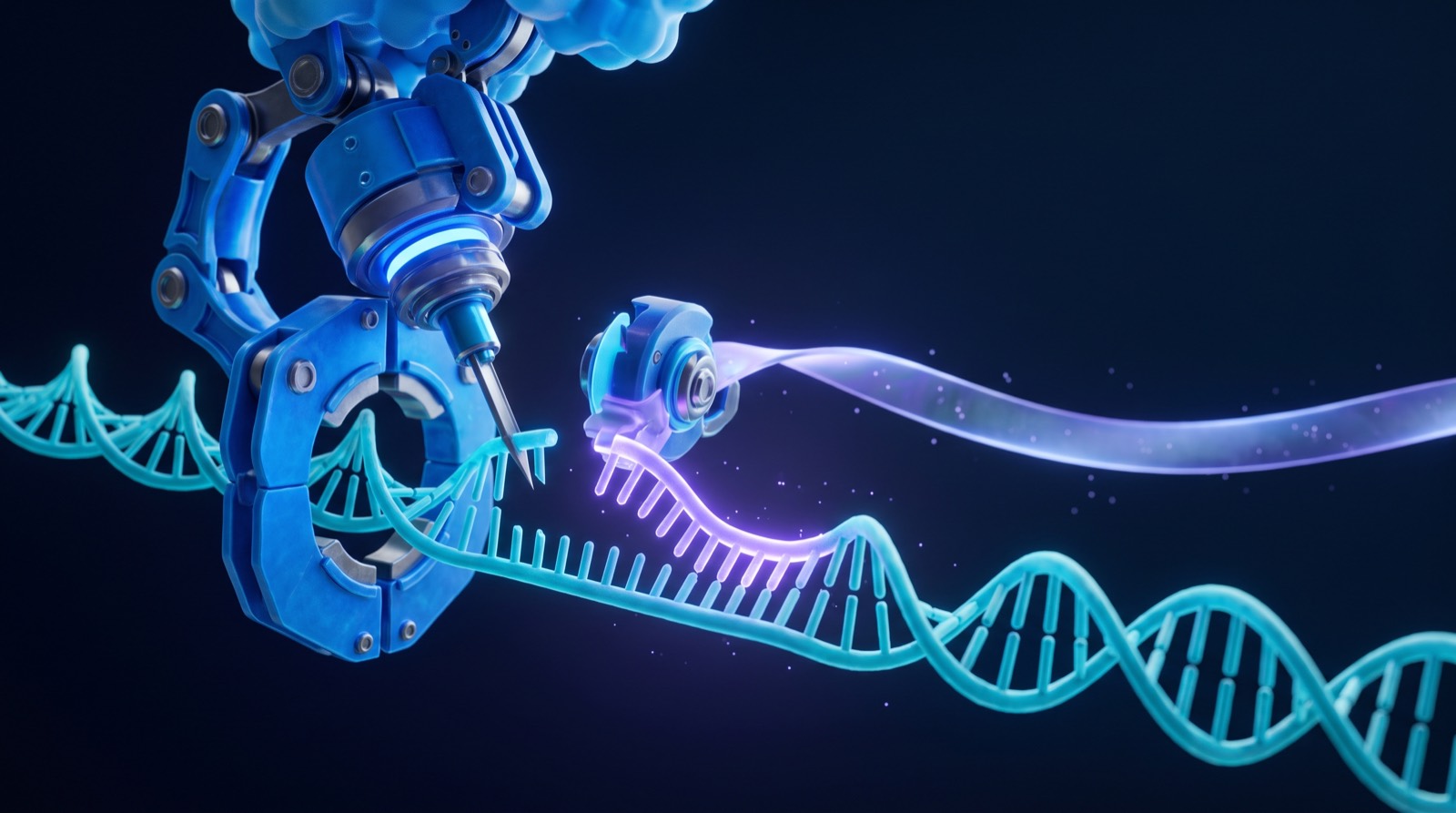 Prime EditingWrites a new stretch of DNA sequence directly into a chosen site, using a guide that carries the replacement text with it.
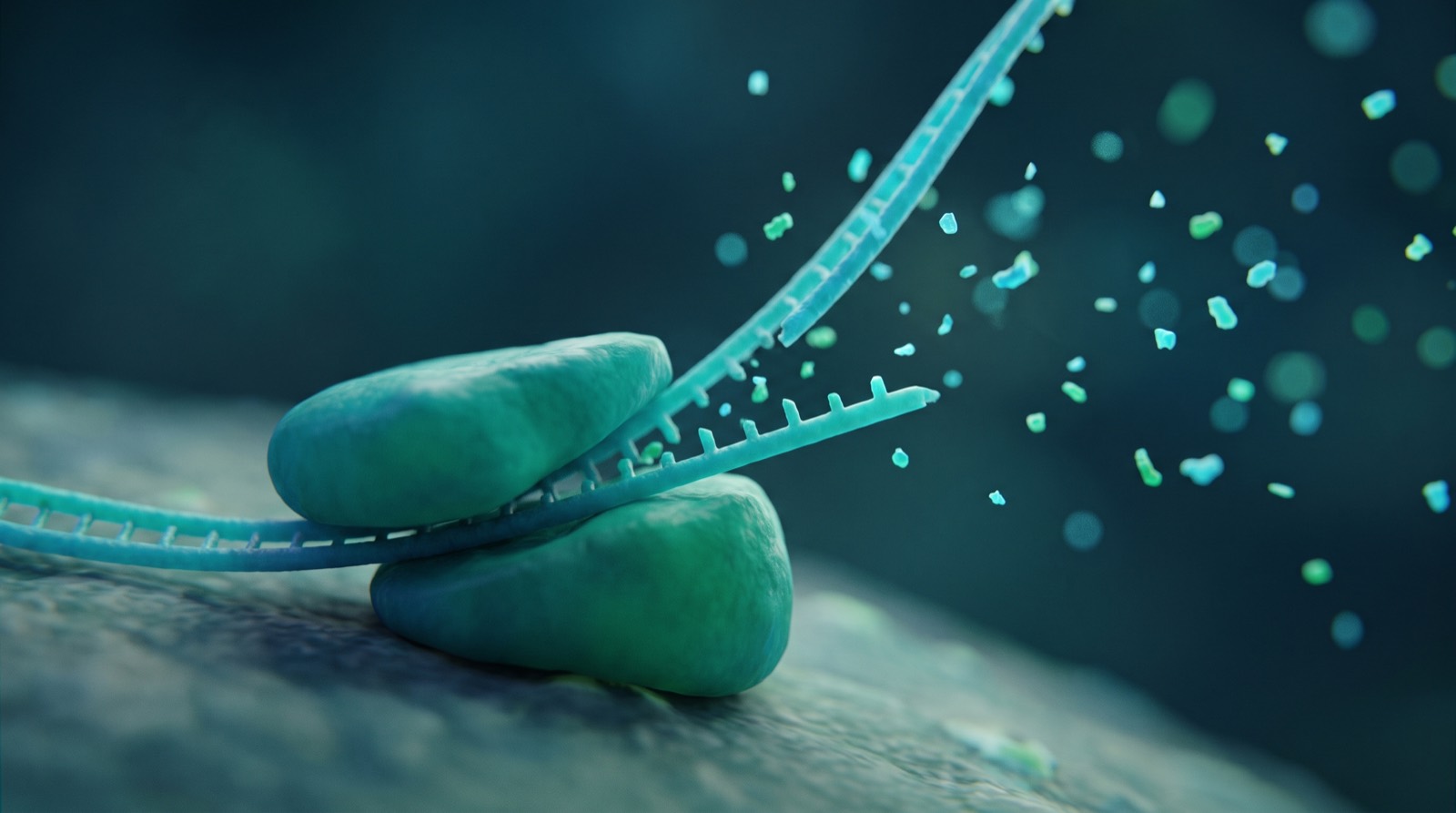 CRISPR-Cas12A family of CRISPR nucleases that cut DNA leaving staggered ends, use a different sequence requirement from Cas9, and can be smaller.
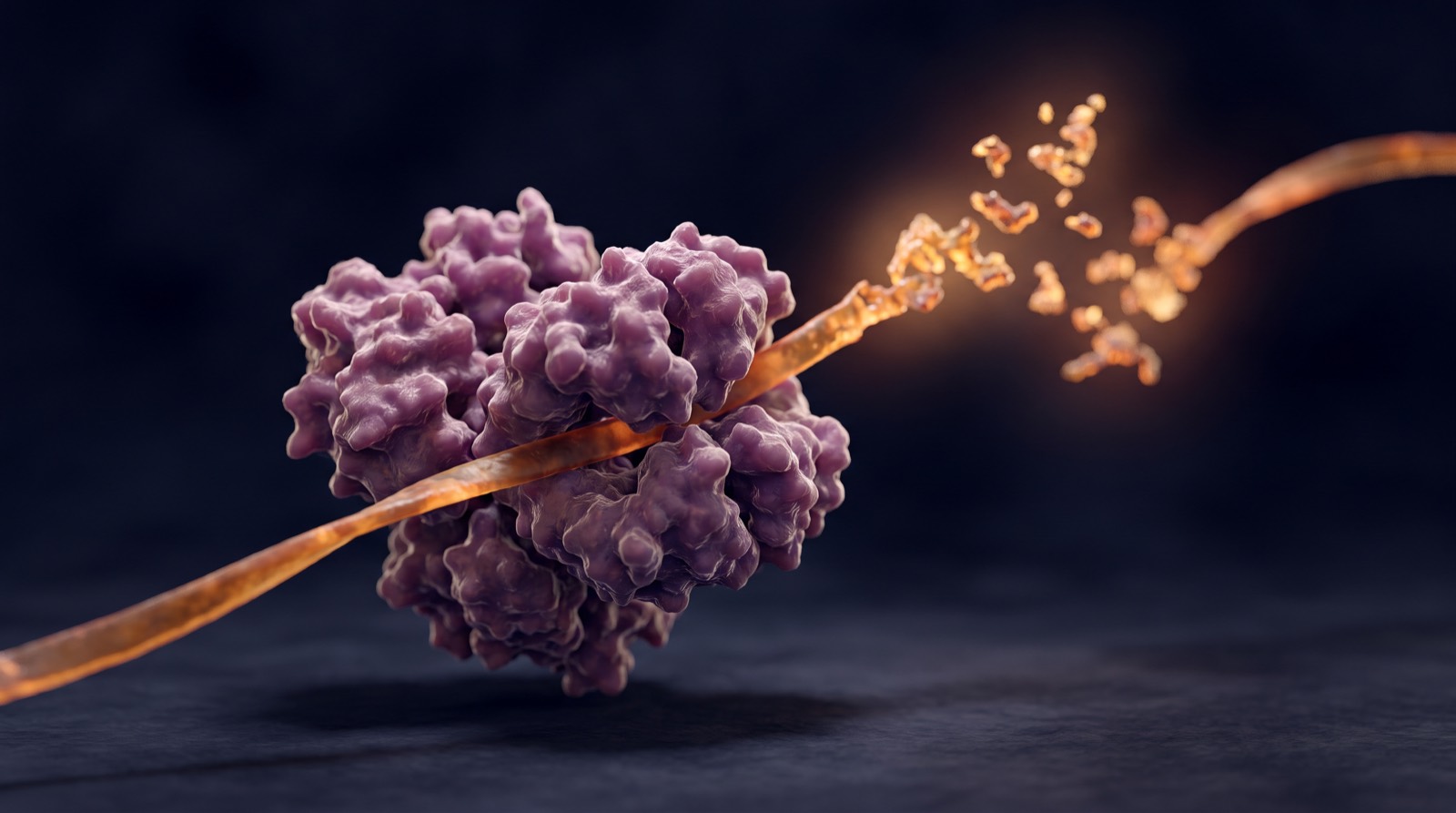 CRISPR-Cas13Targets RNA rather than DNA, so it can silence a gene's message without touching the genome itself.
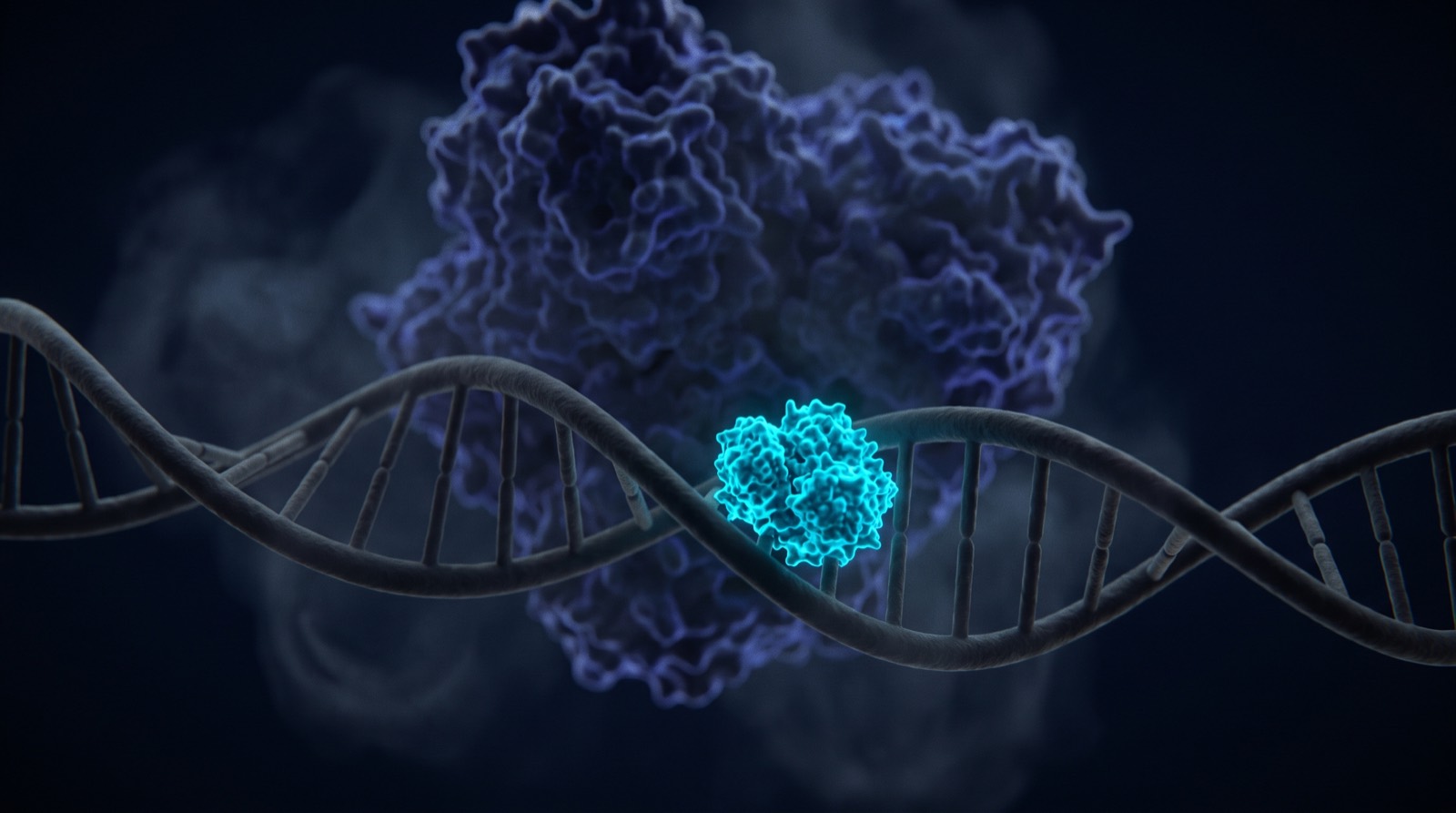 Cas14 and miniature Cas systemsUnusually small CRISPR nucleases — roughly a third the size of Cas9 — discovered in archaea and bacteriophages.
 RNA EditingChanges letters in the RNA message rather than in the DNA, so the effect is real but temporary and the genome is untouched.
 Les comparer côte à côtePrécision, coupure, taille de la charge utile, livraison, maturité, risques
Maladies ciblées
Chaque page consacrée à une maladie indique clairement si l'édition génomique est un traitement approuvé, en cours d'essai, ou encore uniquement une piste de laboratoire.
 Sickle Cell DiseaseBlood disorders
 Beta ThalassemiaBlood disorders
 ATTR AmyloidosisMetabolic disease
 Hereditary AngioedemaRare genetic disease
 High Cholesterol and Familial HypercholesterolemiaCardiovascular disease
 CancerCancer
 Leukemia and LymphomaCancer
 HIVInfectious disease
 Duchenne Muscular DystrophyMuscular disease
 Cystic FibrosisRare genetic disease
Traitements
Médicaments nommés, avec le statut réglementaire indiqué sur chaque fiche.
Médicaments d'édition génomique approuvés dans l'Atlas: Casgevy (exagamglogene autotemcel) · Lyfgenia (lovotibeglogene autotemcel) · Zynteglo (betibeglogene autotemcel)
Essais cliniques
Là où les preuves sont réellement produites.
Entreprises à connaître
Qui développe quoi, et où en est chaque programme.
CRSP · Zug, Switzerland
CRISPR Therapeutics
Co-founded by Emmanuelle Charpentier, and the company behind the first approved CRISPR…
NTLA · Cambridge, Massachusetts
Intellia Therapeutics
Co-founded by Jennifer Doudna, and the company that first delivered CRISPR into a human…
BEAM · Cambridge, Massachusetts
Beam Therapeutics
Founded by David Liu and colleagues to commercialise base editing — precision changes to…
EDIT · Cambridge, Massachusetts
Editas Medicine
One of the first CRISPR companies, which discontinued its cell-therapy and eye programmes…
PRME · Cambridge, Massachusetts
Prime Medicine
Founded to commercialise prime editing, and the company behind the first published…
Privé · Boston, Massachusetts
Verve Therapeutics
Built to turn heart disease into a one-time treatment, and acquired by Eli Lilly in 2025…
CRBU · Berkeley, California
Caribou Biosciences
Co-founded by Jennifer Doudna, using hybrid RNA-DNA guides intended to make editing…
SANA · Seattle, Washington
Sana Biotechnology
Engineering transplanted cells to be invisible to the immune system, so they can be given…
Les scientifiques qui ont transformé le domaine
Ce à quoi chaque personne a réellement contribué — la question des attributions est débattue dans ce domaine, et nous l'indiquons.
 Jennifer DoudnaStructural biochemist who, with Emmanuelle Charpentier, showed that Cas9 could be programmed with a single guide RNA to cut chosen DNA — and shared the 2020 Nobel Prize in Chemistry for it.
 Emmanuelle CharpentierMicrobiologist who discovered tracrRNA, the missing component of the CRISPR-Cas9 system, and shared the 2020 Nobel Prize in Chemistry with Jennifer Doudna.
 Feng ZhangBioengineer who led one of the first demonstrations of CRISPR genome editing in human cells and discovered several new CRISPR systems including Cas12a and Cas13.
 David LiuChemical biologist whose laboratory invented base editing and prime editing — the two techniques that changed gene editing from cutting to writing.
 George ChurchGeneticist whose laboratory independently demonstrated CRISPR editing in human cells in 2013, and a founder of an unusually large number of genomics companies.
 Virginijus ŠikšnysLithuanian biochemist who independently showed that Cas9 could be programmed to cut DNA, publishing in 2012 — and whose contribution is often omitted from popular accounts.
Dernières actualités sur l'édition génomique
De vrais articles issus d'éditeurs identifiés. Chaque titre renvoie vers l'original — nous ne les réécrivons ni ne les republions jamais.
CRISPR expliqué
Commencez par le début. Aucune formation en biologie n'est nécessaire.
Start here
What is DNA?
DNA is a long chemical chain that stores the instructions for building and running a living thing, written in…
Start here
What is a gene?
A gene is a stretch of DNA that carries the instructions for making one particular thing the cell needs —…
Start here
What is a chromosome?
A chromosome is one very long DNA molecule packaged with proteins; humans normally have 46, in 23 pairs.
Start here
What is a genome?
A genome is the complete set of genetic instructions in an organism — every chromosome, every gene, and…
Start here
What is RNA?
RNA is DNA's working copy — a temporary, single-stranded version the cell makes when it needs to use a gene.
Start here
What is a mutation?
A mutation is a change in DNA sequence. Most do nothing, some cause disease, and a few are beneficial.
L'édition génomique en chiffres
Données en direct depuis la base de données de l'Atlas — il s'agit du nombre de dossiers que nous détenons, pas d'une estimation de la taille du domaine.
Les compteurs sont actualisés à chaque chargement de page. « Approuvé » signifie qu'un organisme national de réglementation des médicaments a autorisé au moins un produit ; cela ne signifie pas que la thérapie est disponible ou adaptée à une personne en particulier.
 Demandez à l'Atlas
Posez une question en langage simple. Les réponses sont construites uniquement à partir des entrées sourcées de ce site, avec des liens vers les pages utilisées.
Demandez à l'Atlas
Posez une question en langage simple. Les réponses sont construites uniquement à partir des entrées sourcées de ce site, avec des liens vers les pages utilisées.
 L'histoire de l'édition génomique
De la structure de l'ADN au premier médicament CRISPR approuvé — les événements qui nous ont amenés ici.
L'histoire de l'édition génomique
De la structure de l'ADN au premier médicament CRISPR approuvé — les événements qui nous ont amenés ici.