बायोलॉजी की कोई पृष्ठभूमि ज़रूरी नहीं
Gene editing शुरू से सीखें
छोटे-छोटे गाइड की एक सीढ़ी: DNA क्या है, जीन क्या होता है, CRISPR किसी सीक्वेंस को कैसे ढूँढता और बदलता है, और फिर इसके बाद आई उन्नत विधियाँ। क्रम से पढ़ें या कहीं से भी शुरू करें।
26 गाइड। हर एक सरल भाषा में उत्तर से शुरू होती है, फिर गहराई में जाती है। उपमाओं का स्वतंत्र रूप से उपयोग किया गया है — और हर उपमा के साथ एक नोट है कि वह ठीक कहाँ सच नहीं रहती, क्योंकि अधूरी समझी गई उपमा ही इस क्षेत्र की अधिकांश भ्रांतियों की शुरुआत है।
How this path is built
First, the vocabulary
DNA, gene, chromosome, genome, RNA, mutation. Six words that everything else is built from. Skip this only if you can already define all six without hedging.
Then, how CRISPR actually works
What the guide does, what the protein does, why a short tag called a PAM decides where you are allowed to cut, and what the cell does afterwards — which is the part most explanations leave out.
Then, the genuinely hard part
Editing a cell in a dish has been routine for years. Getting the editor into the right cells inside a living person is what separates a paper from a medicine.
Finally, how to read the claims
How to tell a real result from a press release: how many people, for how long, compared with what.
1 / 4
Start here
वह शब्दावली जिस पर बाकी सब कुछ निर्भर करता है।
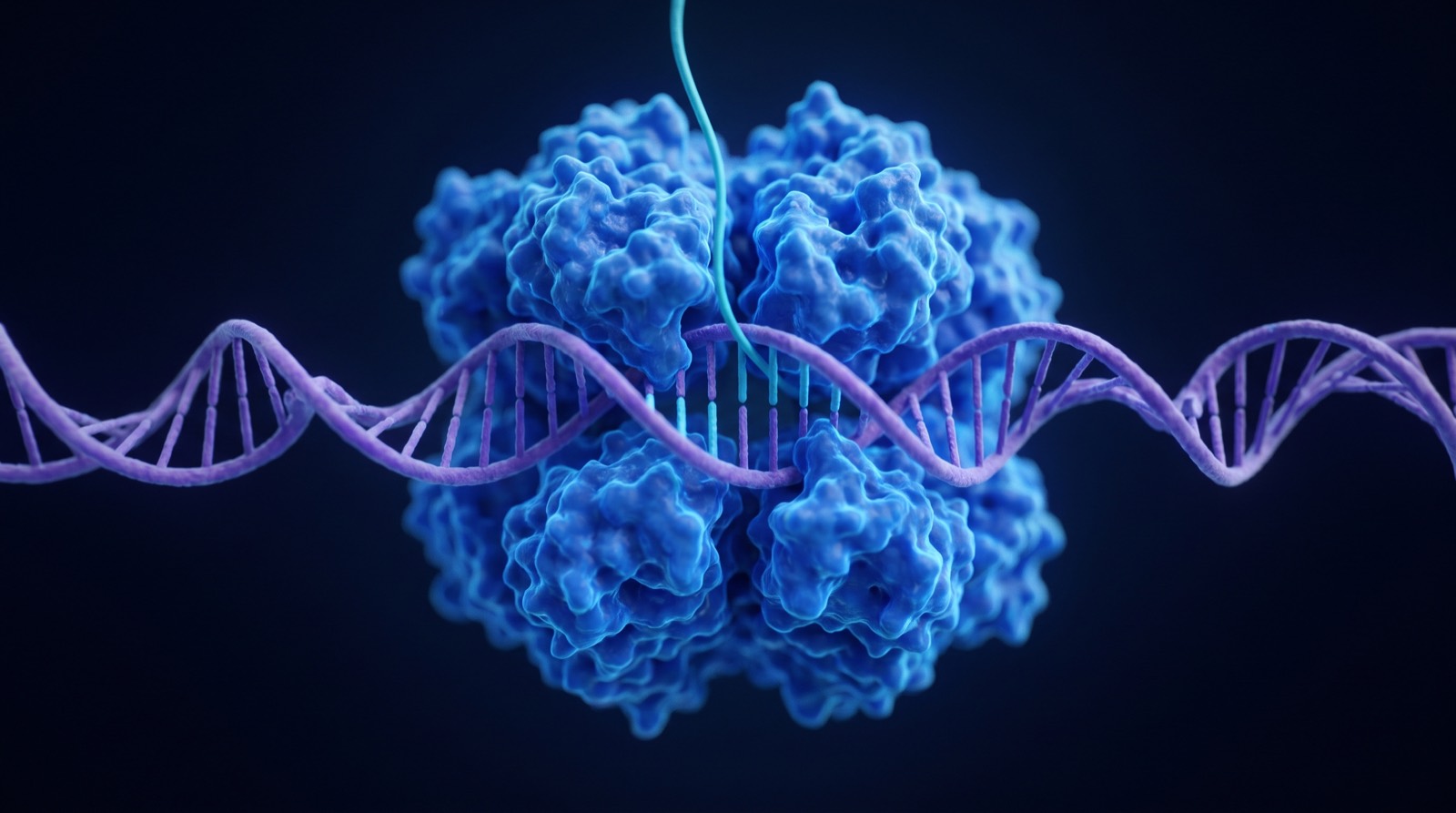 What is DNA?DNA is a long chemical chain that stores the instructions for building and running a living…
 What is a gene?A gene is a stretch of DNA that carries the instructions for making one particular thing…
What is a chromosome?A chromosome is one very long DNA molecule packaged with proteins; humans normally have 46…
What is a gene?A gene is a stretch of DNA that carries the instructions for making one particular thing…
What is a chromosome?A chromosome is one very long DNA molecule packaged with proteins; humans normally have 46…
 What is a genome?A genome is the complete set of genetic instructions in an organism — every chromosome…
 What is RNA?RNA is DNA's working copy — a temporary, single-stranded version the cell makes when it…
 What is a mutation?A mutation is a change in DNA sequence. Most do nothing, some cause disease, and a few are…
 What is gene editing?Gene editing is changing the DNA sequence already inside a living cell, at a chosen…
What is CRISPR?CRISPR is a bacterial immune system that scientists reprogrammed into a tool for finding…
What is gene editing?Gene editing is changing the DNA sequence already inside a living cell, at a chosen…
What is CRISPR?CRISPR is a bacterial immune system that scientists reprogrammed into a tool for finding…
Check your understanding — Start here
No score is stored and nothing is sent anywhere — this is just for you.
1. What is a gene, in one sentence?
Why: A genome is the whole manual, a gene is one recipe in it, and a protein is what the recipe makes. Mixing up these three is the most common early confusion.
2. Why can one strand of DNA rebuild the other?
Why: The pairing rule makes each strand a template for its partner. Every editing technology leans on this.
3. Does a mutation always cause disease?
Why: The vast majority of variation between people is harmless. Only a small subset of changes, in particular places, cause disease.
4. What does CRISPR add that older methods lacked?
Why: Targeted editing existed before CRISPR (zinc fingers, TALENs). What changed was the cost and speed of re-aiming it — you change the guide, not the protein.
2 / 4
CRISPR basics
यह सिस्टम वास्तव में कैसे काम करता है, चरण दर चरण।
How CRISPR works, step by stepA guide RNA finds the target, the Cas protein cuts, and the cell's repair machinery makes…
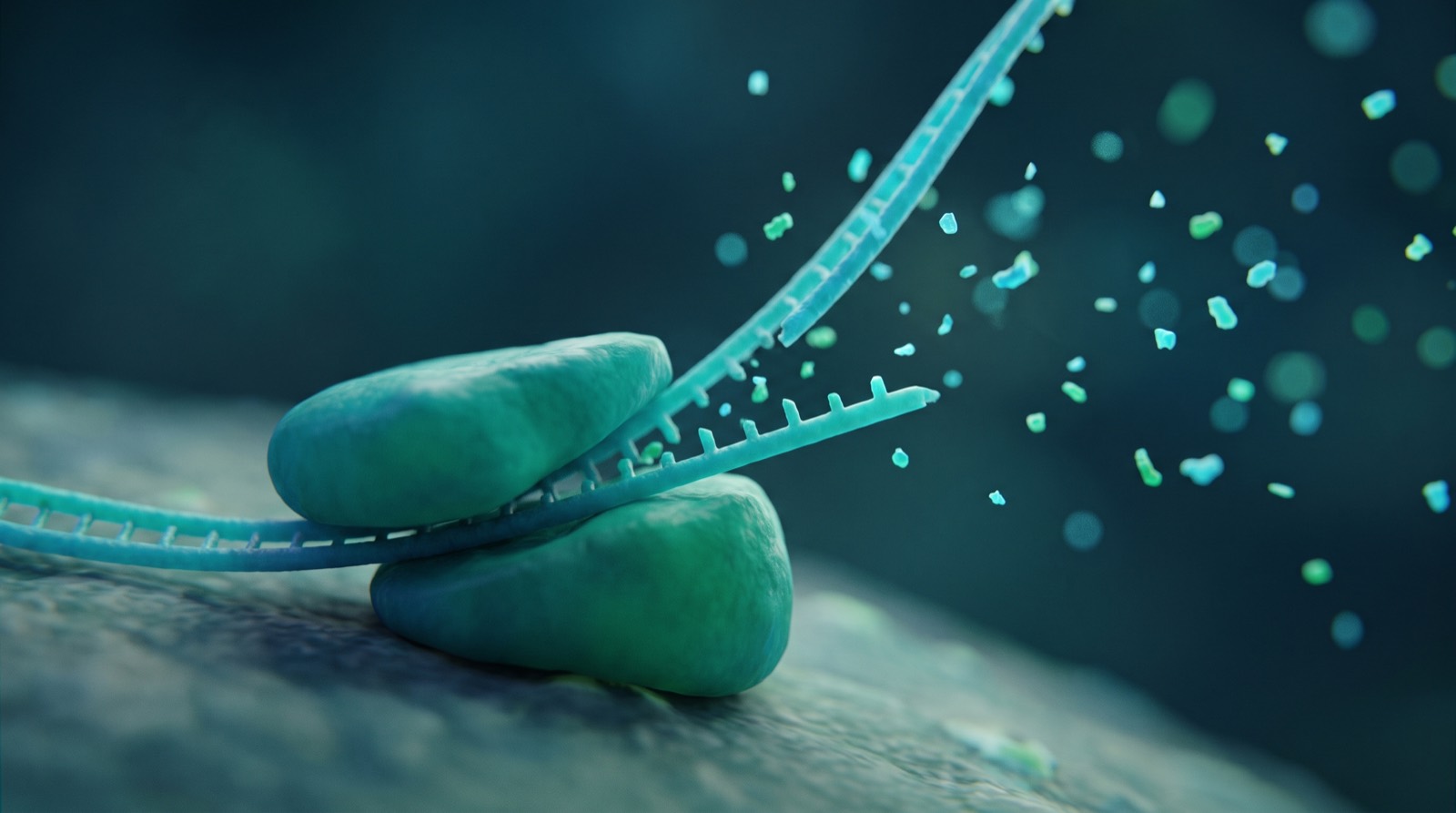 What Cas proteins doCas proteins are the machinery of the CRISPR system: they carry the guide, search the…
 What guide RNA doesThe guide RNA is the address. It carries a short sequence matching the target and holds the…
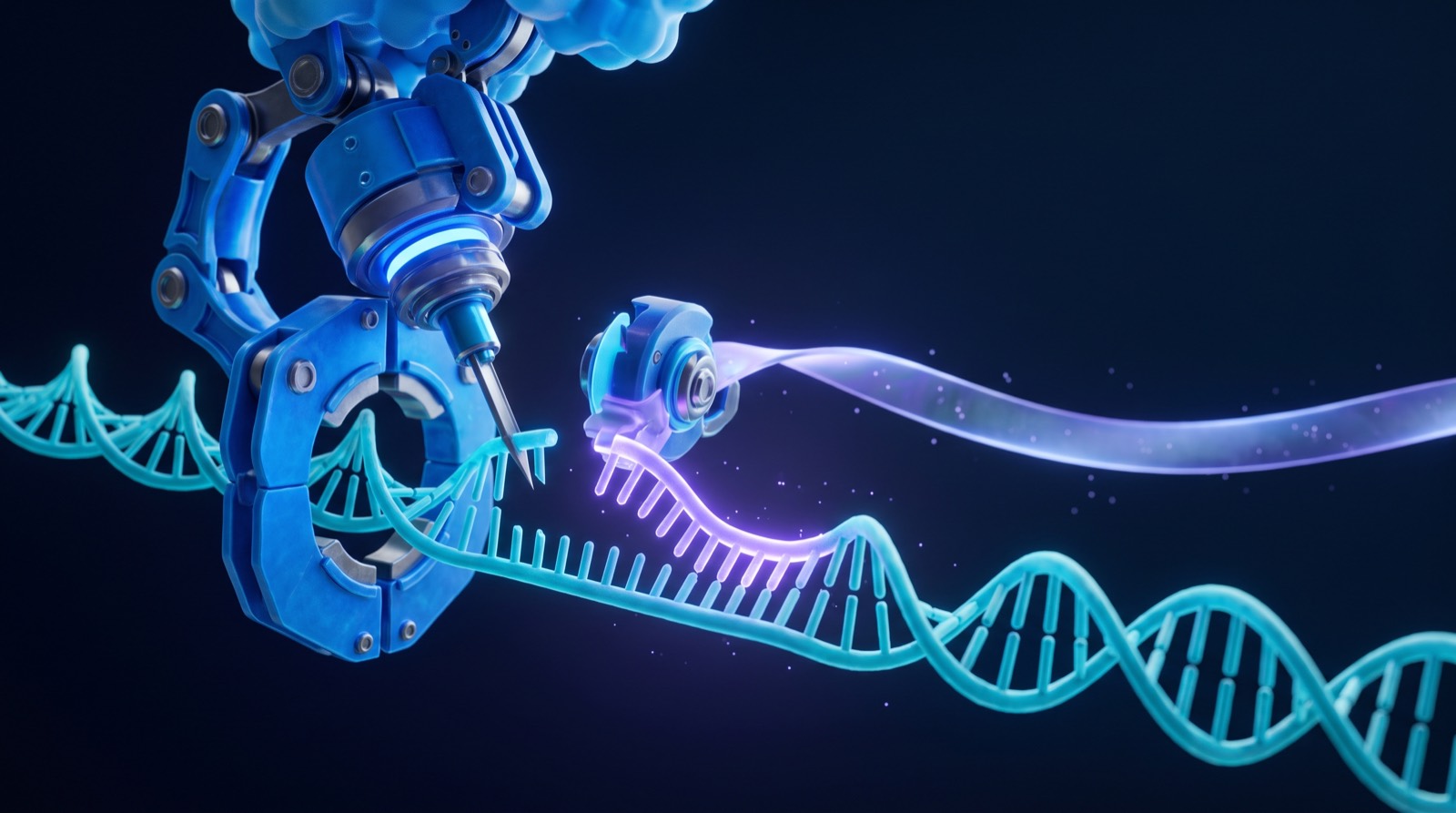 How cells repair DNA — and why it decides the editThe cell, not the editor, makes the change. Which repair pathway it uses determines what…
 What off-target editing meansAn off-target edit is a change made somewhere other than the intended site, because the…
Check your understanding — CRISPR basics
No score is stored and nothing is sent anywhere — this is just for you.
1. Which part of CRISPR-Cas9 do you actually change to target a different gene?
Why: Cas9 stays the same; the ~20-letter guide is the programmable part. That is the whole reason the technology spread so fast.
2. What is a PAM?
Why: No PAM, no cut — which means some positions in a gene simply cannot be reached with a given enzyme. It is a real constraint on what is targetable.
3. After Cas9 cuts, what most often happens?
Why: Rough end-joining dominates. That is why switching a gene OFF is reliable while correcting one letter is hard — and why base and prime editing were developed.
4. What does 'off-target' mean?
Why: Similar sequences elsewhere in the genome can be mistaken for the target. It is found by sequencing, and it is one of the main safety questions regulators ask about.
3 / 4
Intermediate
एडिटिंग किसी gene के साथ क्या कर सकती है, और इसे शरीर में कैसे पहुँचाया जाता है।
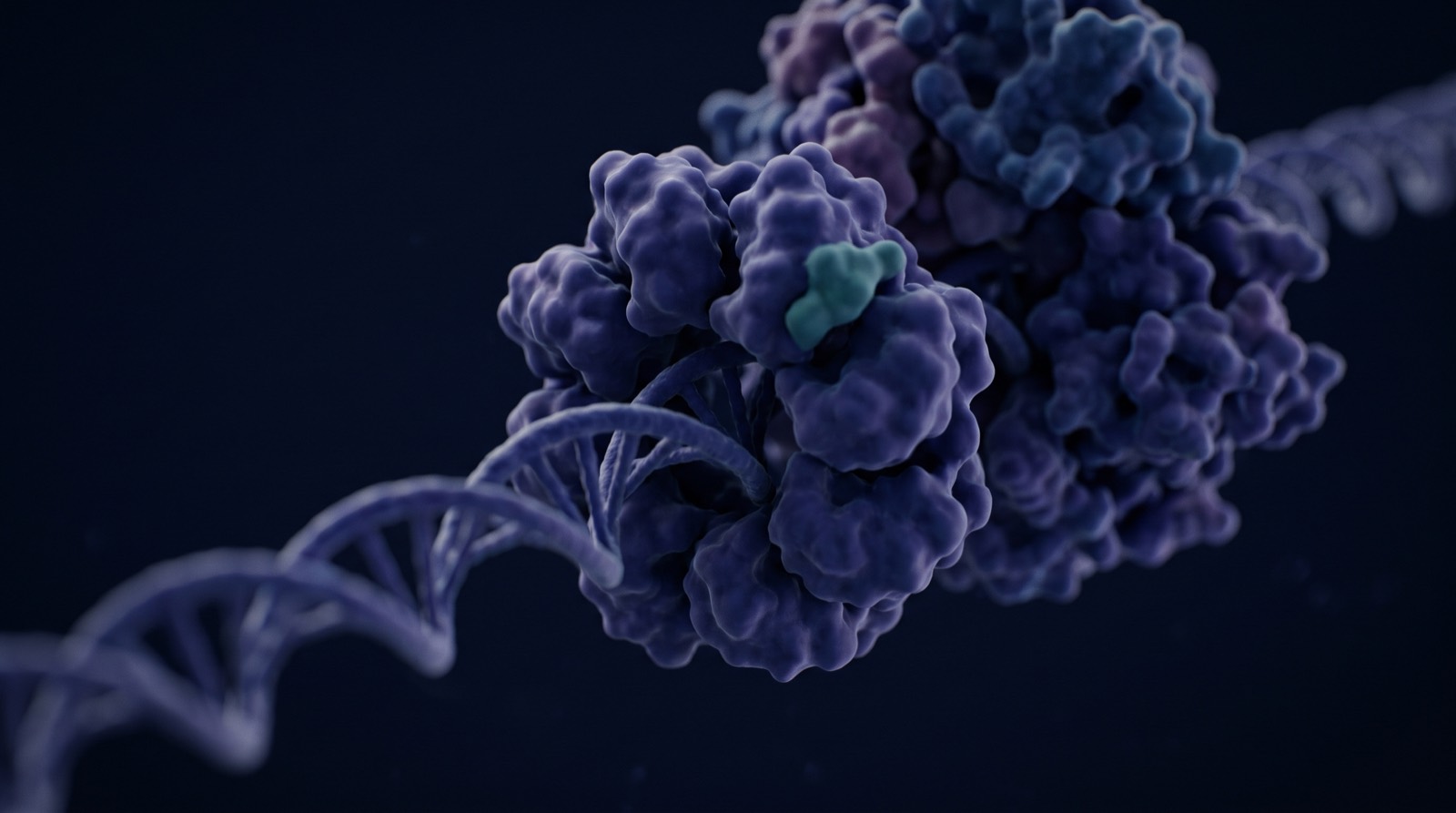 Knockouts, insertions and deletionsThe three basic things editing does to a gene: switch it off, take something out, or put…
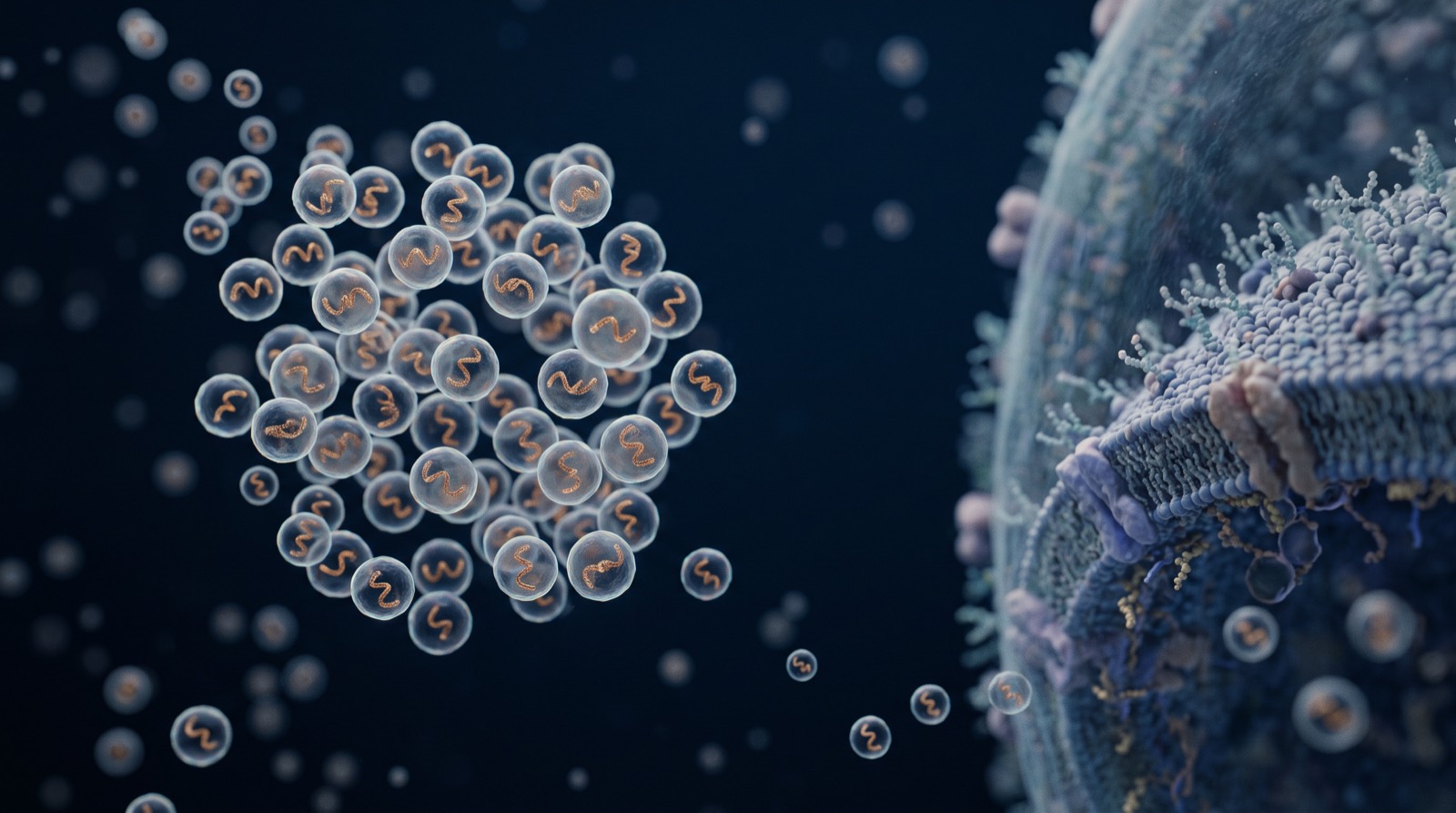 Delivery: the real bottleneckGetting the editing machinery into the right cells, in enough of them, without harm — the…
 Ex vivo and in vivo editingEx vivo means editing cells outside the body and putting them back; in vivo means editing…
 Viral vectorsModified viruses used as delivery vehicles — very good at getting inside cells, which is…
Lipid nanoparticlesTiny fat bubbles that carry genetic cargo into cells — the delivery technology that made in…
Viral vectorsModified viruses used as delivery vehicles — very good at getting inside cells, which is…
Lipid nanoparticlesTiny fat bubbles that carry genetic cargo into cells — the delivery technology that made in…
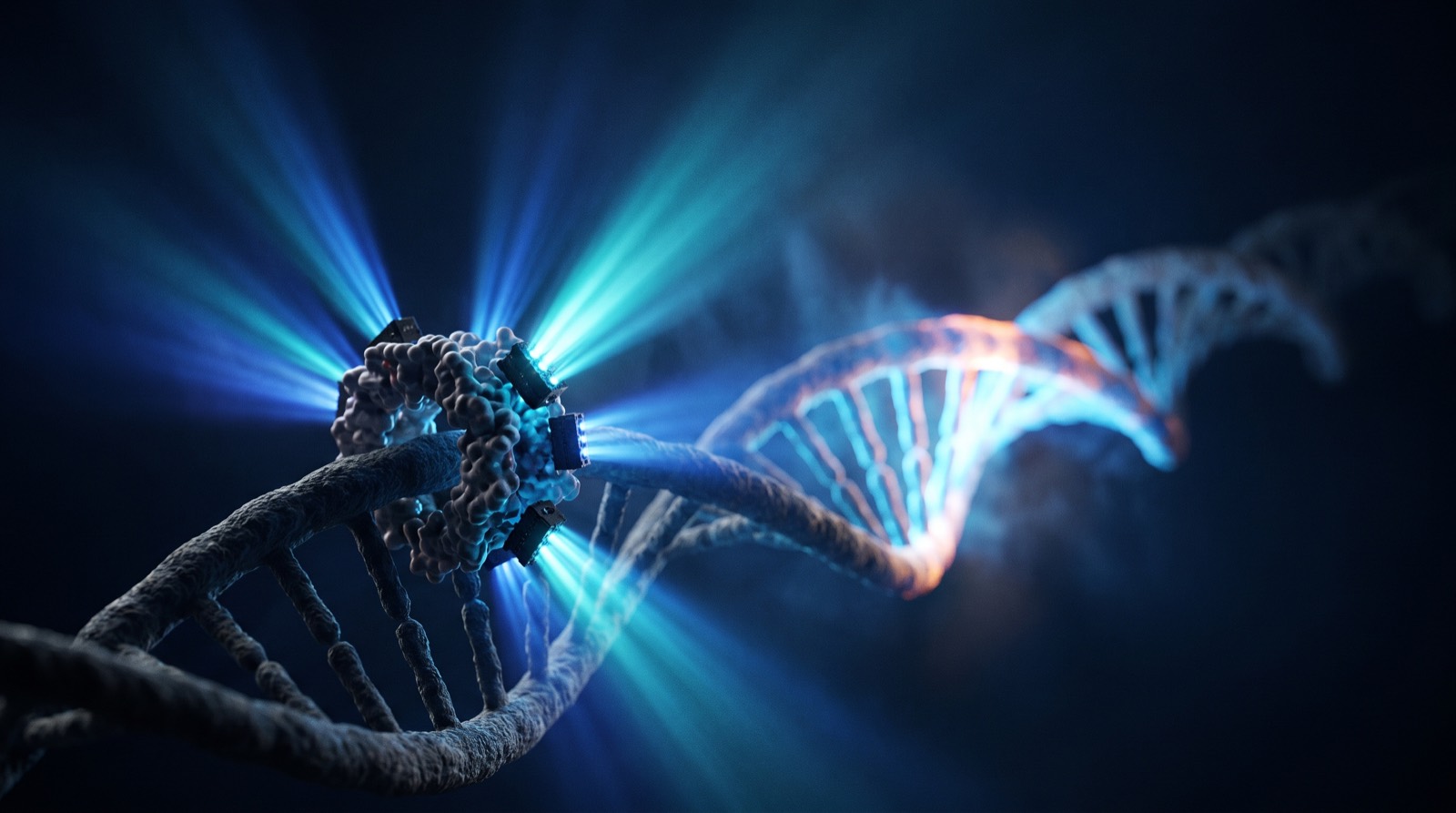 Turning genes up and downChanging how loudly a gene is expressed, without changing a single letter of its sequence.
Check your understanding — Intermediate
No score is stored and nothing is sent anywhere — this is just for you.
1. What is the main practical difference between ex vivo and in vivo editing?
Why: Being able to inspect and select the edited cells before returning them is the central advantage of ex vivo — and the reason the first approvals took that route.
2. Why did liver diseases reach in vivo trials first?
Why: Delivery, not editing chemistry, decides which organ is reachable. LNPs go to the liver by default, so liver targets were available first.
3. What is the main limitation of AAV viral vectors?
Why: The cargo limit is why smaller enzymes like SaCas9 matter, and prior immunity is why a second dose is often not an option.
4. Can you change how active a gene is without changing its DNA letters?
Why: A deactivated Cas9 can carry an activator or repressor and leave the sequence intact. The effect lasts only while the tool is present.
4 / 4
Advanced
Cas9 के बाद आए तरीके, और यह क्षेत्र किस दिशा में जा रहा है।
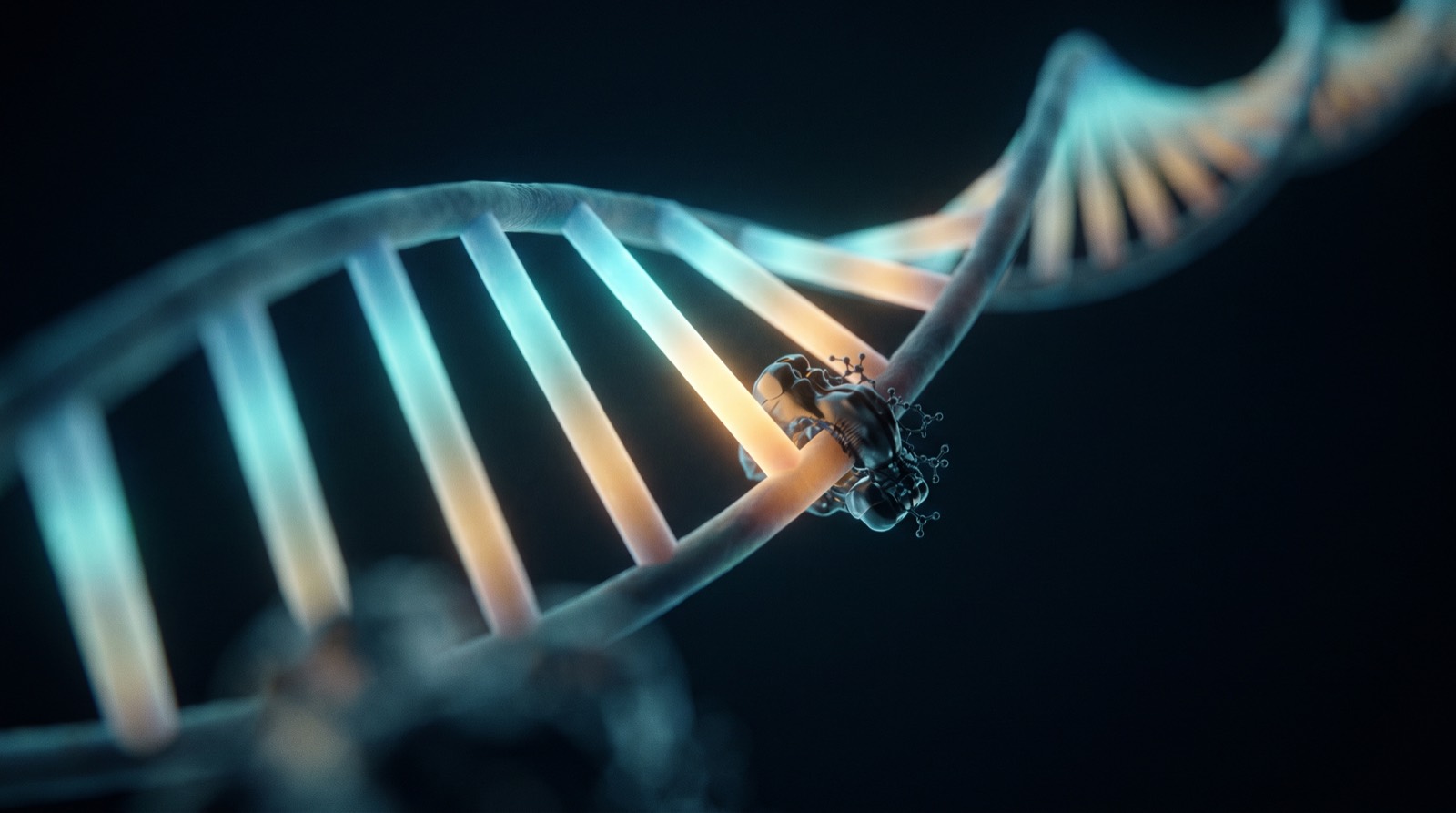 What is base editing?A way to change a single letter of DNA without cutting the strand in two.
What is prime editing?Search-and-replace for DNA: it writes a new short sequence in place, without a full break.
What is base editing?A way to change a single letter of DNA without cutting the strand in two.
What is prime editing?Search-and-replace for DNA: it writes a new short sequence in place, without a full break.
 Multiplex editingMaking several edits in the same cell at once — necessary for cell therapy, and riskier…
 CRISPR diagnosticsTurning CRISPR's habit of chopping up nearby nucleic acid into a fast, cheap test for a…
 Why gene therapies cost millionsThe economics of a one-time treatment for a small population — and why the arithmetic that…
 How a gene-editing company worksWhat a pre-revenue biotechnology company actually is, and which numbers describe it —…
 How to read a clinical trial resultWhat a Phase 1 result does and does not tell you, and the questions worth asking before you…
Check your understanding — Advanced
No score is stored and nothing is sent anywhere — this is just for you.
1. A press release reports a 90% reduction in a blood protein. What should you check first?
Why: A large effect in a handful of people over a few months is a promising signal, not proof of benefit. Size, duration and comparator decide what it means.
2. Why is multiplex editing harder than single editing?
Why: Multiple simultaneous breaks raise the risk of translocations — pieces of chromosome joining the wrong partner. Risk does not scale linearly with the number of edits.
3. What mainly drives the price of an approved cell therapy?
Why: A bespoke product made per patient, plus a hospital stay, spread across a small population, is the bulk of it — not the cost of the editing molecules.
4. CRISPR diagnostics use the technology to do what?
Why: Cas12 and Cas13 chop nearby reporter molecules once they find their target, producing a readable signal. Nothing in the patient is edited.